




Recent Post
- From Marketing Automation to Autonomous Marketing: What Comes Next?
- How AI Is Transforming the Marketing Journey
- From Keywords to Knowledge Graphs: The Evolution of Search Optimization
- Recommendation SEO: Optimizing Brands for AI-Powered Recommendations
- AI Marketing Agents vs Traditional Automation: What Changes for Businesses?
- Entity SEO: Why Context May Matter More Than Keywords in AI Search
Customers expect brands to understand what they need, when they need it, without making every interaction feel like starting from scratch. Yet delivering that kind of personal attention at scale is difficult for growing businesses. AI agents are changing the equation, helping companies create more relevant, responsive customer journeys while keeping genuine customer needs at the center.
What Makes AI Agents Different?
Traditional automation follows predefined rules. An email goes out after a purchase, or a discount appears when someone abandons a cart. These workflows are useful, but they can struggle when customer behavior becomes unpredictable.
AI agents can go further by interpreting context, working toward specific goals, and taking approved actions across connected systems. For example, an online shopper repeatedly comparing laptop models might receive a helpful comparison of battery life, performance, and price instead of another generic promotional email. A well-designed agent can use relevant behavioral signals to make that interaction more useful.
For businesses exploring intelligent customer experiences, AI SEO Expert in Sri Lanka is a relevant resource for understanding how AI-focused digital strategies can support discovery and engagement.
How AI Agents Personalize the Customer Journey
1. Understanding intent, not just clicks
A click rarely tells the whole story. Someone visiting a pricing page might be ready to buy, comparing suppliers, or simply learning about the market. AI agents can combine permitted signals from browsing activity, previous interactions, and customer preferences to build a more useful picture of intent.
This supports AI-powered customer experience strategies that respond to what people appear to need rather than treating every visitor identically. The interpretation should remain flexible, because behavior is a clue—not proof of a customer’s intentions.
2. Delivering relevant interactions at the right moment
Imagine a customer who purchases skincare products every six weeks. Instead of sending the same weekly promotions to everyone, an AI agent could identify an appropriate replenishment window and offer a reminder or useful product information. If the customer has opted into such communications, the message may feel helpful rather than intrusive.
Personalized customer journeys can improve through actions such as:
- Recommending products based on stated preferences and relevant purchase history.
- Adjusting website content to match a visitor’s current information needs.
- Offering timely support when a customer encounters a common problem.
- Coordinating follow-up messages across email, chat, and other approved channels.
3. Connecting disconnected touchpoints
Customers do not think in marketing channels. They simply expect a consistent experience, whether they contact a business through its website, email, or support team.
When connected to suitable CRM and service platforms, AI agents can help carry relevant context between interactions. A customer who has already explained a delivery issue should not have to repeat the entire story to another support channel. Human employees can then focus on sensitive or complicated cases that require judgment and empathy.
Benefits for Businesses—and Customers
Personalization works best when it reduces friction rather than merely increasing the number of messages people receive. AI agents can help businesses respond more quickly, organize repetitive tasks, and make customer communication more relevant.
Potential benefits include:
- More relevant recommendations: Match offers and information to customer needs instead of relying exclusively on broad audience segments.
- Faster support: Resolve routine questions quickly while escalating complex situations to human representatives.
- Smarter campaign coordination: Reduce repetitive messaging and align follow-ups with meaningful customer actions.
These are potential outcomes, not automatic guarantees. Results depend on data quality, integration, customer consent, and how well the system is designed. Businesses can use the principles in the NIST AI Risk Management Framework to think more systematically about trustworthy AI, risks, and appropriate oversight.
What Businesses Must Get Right
More personalization is not always better. If an AI agent uses irrelevant information or makes assumptions about someone’s private life, the experience can quickly become uncomfortable. Trust must come before clever automation.
Before deployment, businesses should:
- Collect only the customer information needed for a clear purpose.
- Explain data practices and respect consent and communication preferences.
- Set limits on what agents can access, recommend, or change without approval.
- Provide a straightforward route to human assistance and corrections.
- Monitor satisfaction, complaint rates, conversion quality, and opt-outs—not clicks alone.
Start with one practical use case, such as answering common product questions or helping customers track orders. Measure the results, review mistakes, and expand only when the system performs reliably. This approach is usually more sustainable than handing an AI agent control over the entire customer journey at once.
Frequently Asked Questions
What are AI agents in customer experience?
AI agents are systems that interpret information, work toward defined goals, and perform approved tasks. In customer experience, they can help with recommendations, support, follow-ups, and coordination between channels.
How do AI agents improve personalization?
They can combine relevant customer preferences and interaction history to tailor recommendations, support, and communication. Effective personalization also requires accurate data, suitable permissions, and clear safeguards.
Can AI agents replace human customer service teams?
They can handle some routine tasks, but human teams remain important for emotional situations, unusual requests, complaints, and decisions that require nuanced judgment. A collaborative approach is often more effective.
How can a business measure success?
Track metrics such as customer satisfaction, resolution time, repeat purchases, conversion rate, complaint frequency, and opt-outs. Compare results with a reliable baseline to determine whether personalization genuinely improves the experience.
Final Thoughts
AI agents are making customer journeys more adaptive, but the real opportunity is not simply automating more interactions. It is making each interaction more useful. Businesses that combine relevant personalization with transparency, human oversight, and thoughtful measurement can build customer experiences that feel less like marketing automation and more like attentive service.
Blog Development Credits
Amlan Maiti conceptualized this article, with research and drafting supported by AI tools including ChatGPT, Google Gemini, and Copilot, followed by editorial and SEO refinement from Amlan Maiti and Digital Piloto Private Limited.
Related Articles
11 October 2026
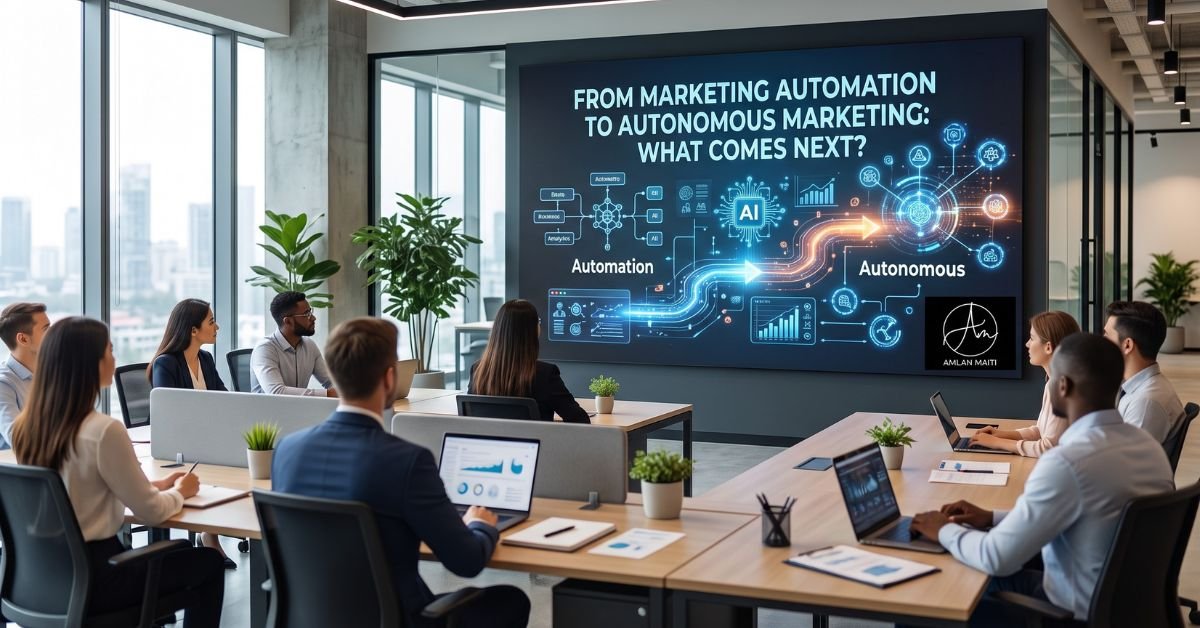
From Marketing Automation to Autonomous Marketing: What Comes Next?
Marketing automation has already changed how businesses manage emails, nurture leads, and follow up with prospects. But what happens when…
09 October 2026
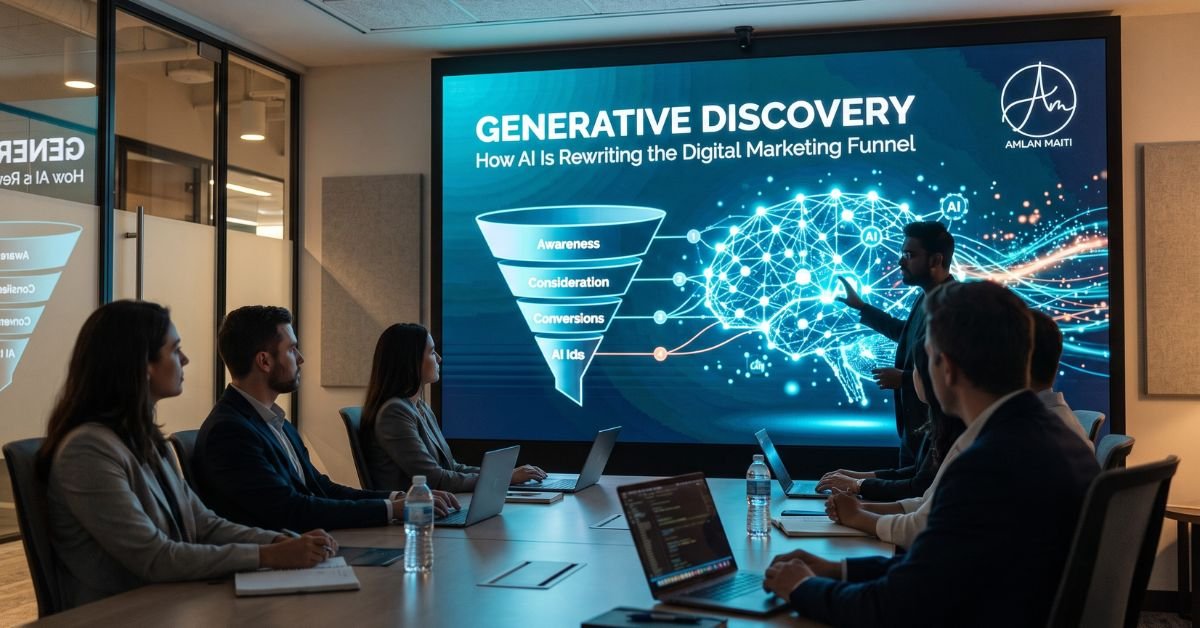
How AI Is Transforming the Marketing Journey
Digital marketing once followed a fairly predictable route: attract attention, generate interest, encourage consideration, and convert visitors into customers. Generative…
08 October 2026
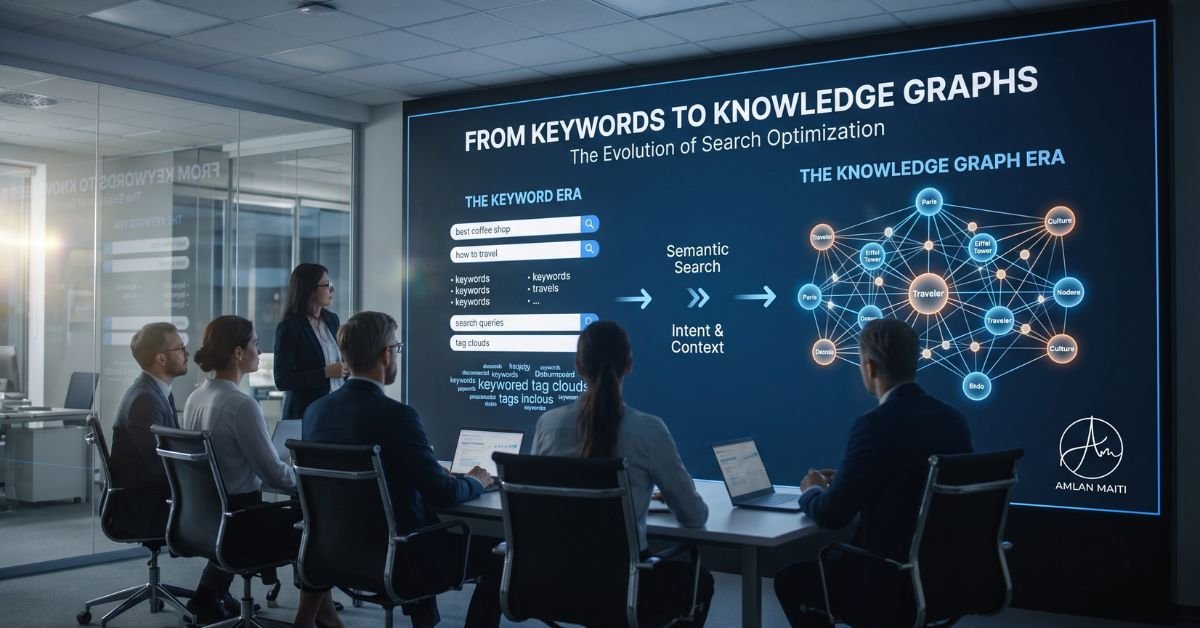
From Keywords to Knowledge Graphs: The Evolution of Search Optimization
Search optimization once revolved around matching words: find the phrase people type, place it in the right places, and earn…

Get In Touch
Initiate your digital marketing journey by filling out this form.