



Recent Post
- From Keywords to Knowledge Graphs: The Evolution of Search Optimization
- Recommendation SEO: Optimizing Brands for AI-Powered Recommendations
- AI Marketing Agents vs Traditional Automation: What Changes for Businesses?
- Entity SEO: Why Context May Matter More Than Keywords in AI Search
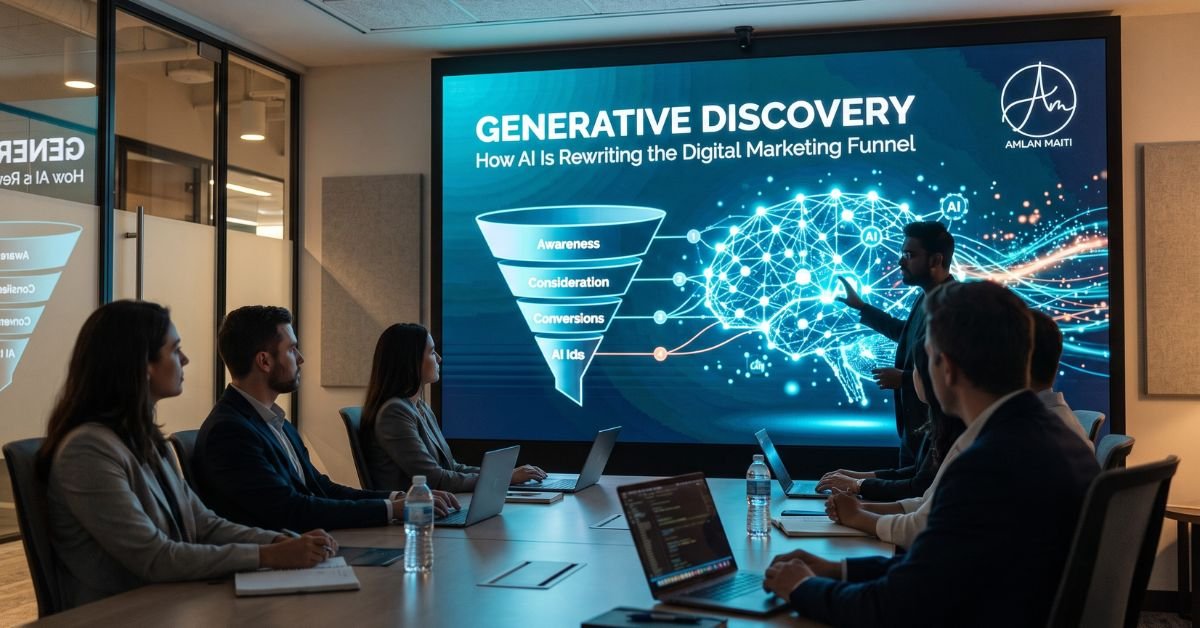
- How AI Is Changing the Digital Marketing Funnel From Discovery to Conversion
- How AI Can Connect SEO, Paid Ads, CRO and Lead Generation
Digital marketing once followed a fairly predictable route: attract attention, generate interest, encourage consideration, and convert visitors into customers. Generative AI is changing that sequence. People now ask AI tools for recommendations, comparisons, and tailored advice before visiting a website. For businesses, this shift means rethinking how they earn attention, build trust, and turn discovery into meaningful customer relationships.
Consider someone searching for a specialist rather than browsing dozens of websites. They might ask an AI assistant to compare providers, explain pricing factors, or recommend a suitable service. In this environment, an AI SEO Expert in Hong Kong can help businesses strengthen their online presence for evolving search experiences, where useful information and clear expertise matter as much as traditional keyword rankings.
What Is Generative Discovery?
Generative discovery happens when people use AI-powered search engines, chatbots, and recommendation systems to explore options and make decisions. Instead of receiving only a list of links, users may get a conversational answer that summarises information and suggests possible next steps.
Think of it as moving from browsing a supermarket aisle to asking a knowledgeable shop assistant for a tailored recommendation. The customer still makes the decision, but the route to finding suitable options becomes more conversational.
This changes the digital marketing funnel. Brands need to be discoverable not only when someone searches for a product but also when an AI system assembles an answer to a broader question.
How AI Is Rewriting Each Funnel Stage
1. Awareness: Discovery Begins With Questions
At the awareness stage, potential customers may not know which brand they need. They might ask, “What is the best marketing approach for a small ecommerce business?” rather than search for a particular agency.
Brands can improve their chances of being discovered by publishing genuinely useful content that answers these early questions. Clear service pages, practical guides, expert explanations, and consistent business information help establish relevance. This is where AI search optimization and traditional SEO can work together.
2. Consideration: Buyers Expect Context
Once customers understand their options, they begin comparing features, prices, expertise, and potential drawbacks. Generative AI can summarise these differences, making vague or repetitive brand messaging less persuasive.
Businesses should give prospective customers specific reasons to trust them. Useful content at this stage includes:
- Detailed service explanations: Clarify what is included, who the service suits, and what limitations may apply.
- Comparison guides: Explain meaningful differences between solutions without making unsupported superiority claims.
- Evidence of expertise: Share verifiable credentials, transparent processes, and relevant examples with appropriate context.
The goal is not to sound impressive everywhere. It is to answer the questions that influence an actual buying decision.
3. Conversion: Remove Friction, Not Human Choice
Generative discovery can help customers arrive at a shortlist with a clearer idea of what they need. Yet a recommendation does not guarantee a sale. Confusing pricing, slow pages, complicated forms, and weak follow-up can still derail the journey.
To improve conversions, businesses should make the next step obvious. Offer relevant consultation options, straightforward contact forms, transparent service details, and helpful responses to common objections. AI-powered chat tools can answer routine questions, but sensitive or complex enquiries should have an easy path to a real person.
Practical Ways to Adapt Your Marketing Strategy
Companies do not need to rebuild their entire marketing operation overnight. Start by making existing digital assets more useful to both people and AI-powered discovery systems.
- Build content around customer intent. Address the questions buyers ask before, during, and after choosing a product or service.
- Strengthen brand consistency. Keep business details, service descriptions, author information, and claims accurate across important digital properties.
- Improve technical accessibility. Use logical headings, descriptive page titles, crawlable content, and suitable structured data where relevant.
- Measure more than rankings. Track qualified leads, conversions, referral sources, branded searches, and relevant mentions in AI-generated answers where measurement is available.
These actions connect traditional search engine optimization with generative engine optimization (GEO), which focuses on improving a brand’s visibility in AI-generated responses. Neither approach guarantees that an AI platform will mention a business, but a clear, trustworthy digital presence gives customers and discovery systems better information to work with.
Why the New Funnel Needs Human Oversight
AI can help analyse customer questions, organise content ideas, personalise communications, and automate repetitive tasks. However, automation without oversight can create inaccurate claims, impersonal messages, or recommendations that ignore a customer’s real needs.
Marketing teams should review AI-generated content, protect customer data, and make sure personalisation remains helpful rather than intrusive. They should also recognise that the customer journey is rarely a neat, straight line. Someone may discover a brand through an AI answer, read independent reviews, return through a search engine, and finally convert after speaking with a sales representative.
That is why businesses should treat the funnel as a connected customer experience rather than a series of isolated marketing campaigns.
Frequently Asked Questions
1. What does generative discovery mean in digital marketing?
Generative discovery is the process of finding information, products, or services through AI-powered answers and recommendations. It influences how customers discover brands and evaluate their options.
2. How is AI changing the traditional marketing funnel?
AI makes discovery more conversational and can summarise information during the research stage. Businesses must therefore provide accurate, useful content and create a smooth path from initial discovery to conversion.
3. What is the difference between SEO and GEO?
SEO helps improve a website’s visibility in traditional search results. GEO focuses on making useful, credible brand information more accessible and relevant to generative AI systems. The two approaches can complement each other.
4. How can businesses measure generative discovery?
Businesses can monitor relevant AI mentions where observable, referral traffic, qualified enquiries, branded search activity, and conversion rates. Because AI visibility can be difficult to measure consistently, these signals should be interpreted alongside broader marketing performance.
Final Thoughts
Generative discovery is not simply another marketing trend; it is a change in how people find information and narrow their choices. Businesses that combine helpful content, credible expertise, accessible websites, and thoughtful customer experiences will be better prepared for this shift. The real objective is not to appear in every AI answer. It is to become a useful, trustworthy option when customers need one.
Blog Development Credits
Amlan Maiti conceived the article, with AI-assisted research and drafting informing its development. Digital Piloto Private Limited refined the content and applied final SEO enhancements.
Related Articles
08 October 2026
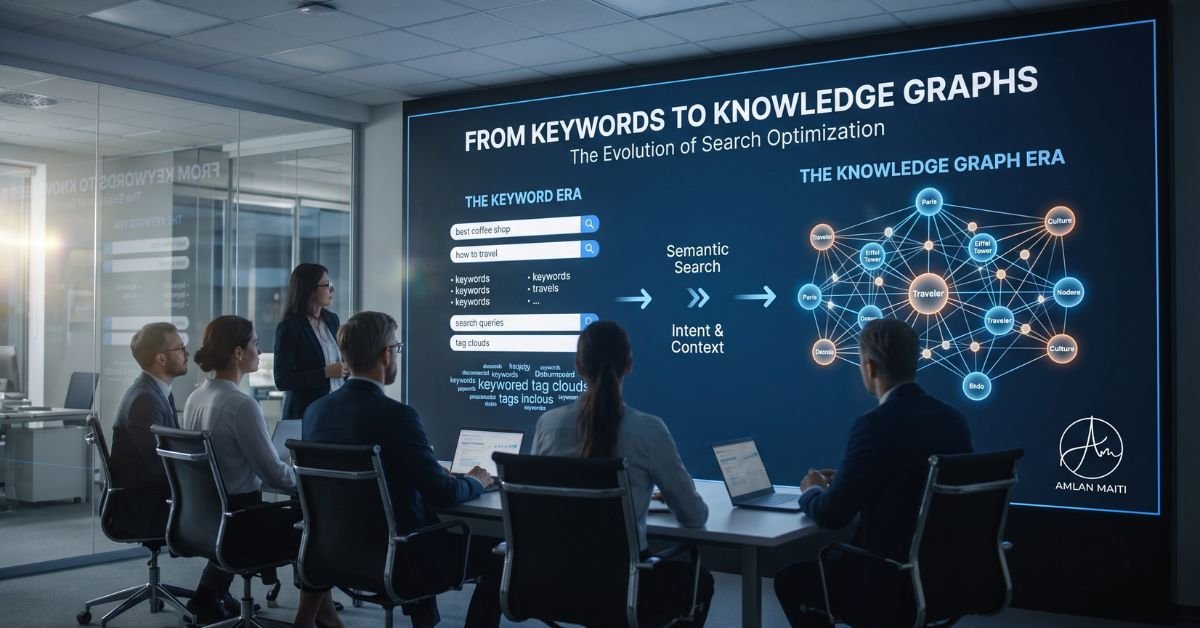
From Keywords to Knowledge Graphs: The Evolution of Search Optimization
Search optimization once revolved around matching words: find the phrase people type, place it in the right places, and earn…
07 October 2026
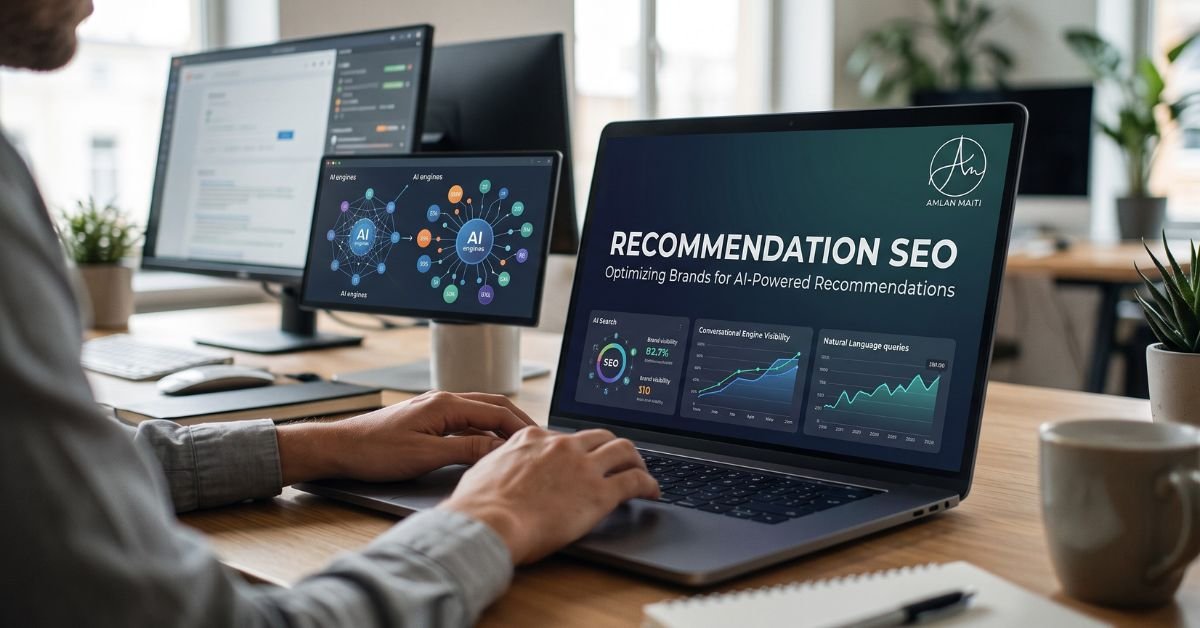
Recommendation SEO: Optimizing Brands for AI-Powered Recommendations
Search is becoming less about finding ten blue links and more about getting a useful recommendation. When AI suggests a…
06 October 2026
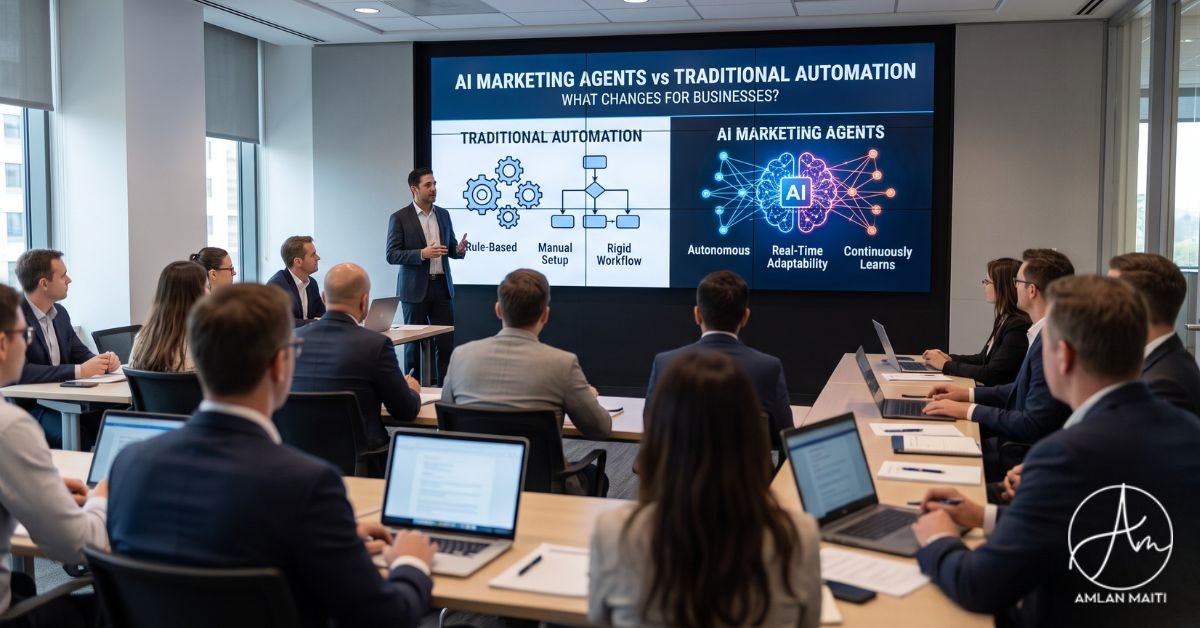
AI Marketing Agents vs Traditional Automation: What Changes for Businesses?
Traditional automation follows instructions. AI marketing agents can increasingly interpret situations, choose among possible actions, and adapt as circumstances change.…

Get In Touch
Initiate your digital marketing journey by filling out this form.