



Recent Post
- From Keywords to Knowledge Graphs: The Evolution of Search Optimization
- Recommendation SEO: Optimizing Brands for AI-Powered Recommendations
- Entity SEO: Why Context May Matter More Than Keywords in AI Search
- How AI Is Changing the Digital Marketing Funnel From Discovery to Conversion
- How AI Can Connect SEO, Paid Ads, CRO and Lead Generation
- How Multi-Agent AI Systems Could Reshape Performance Marketing
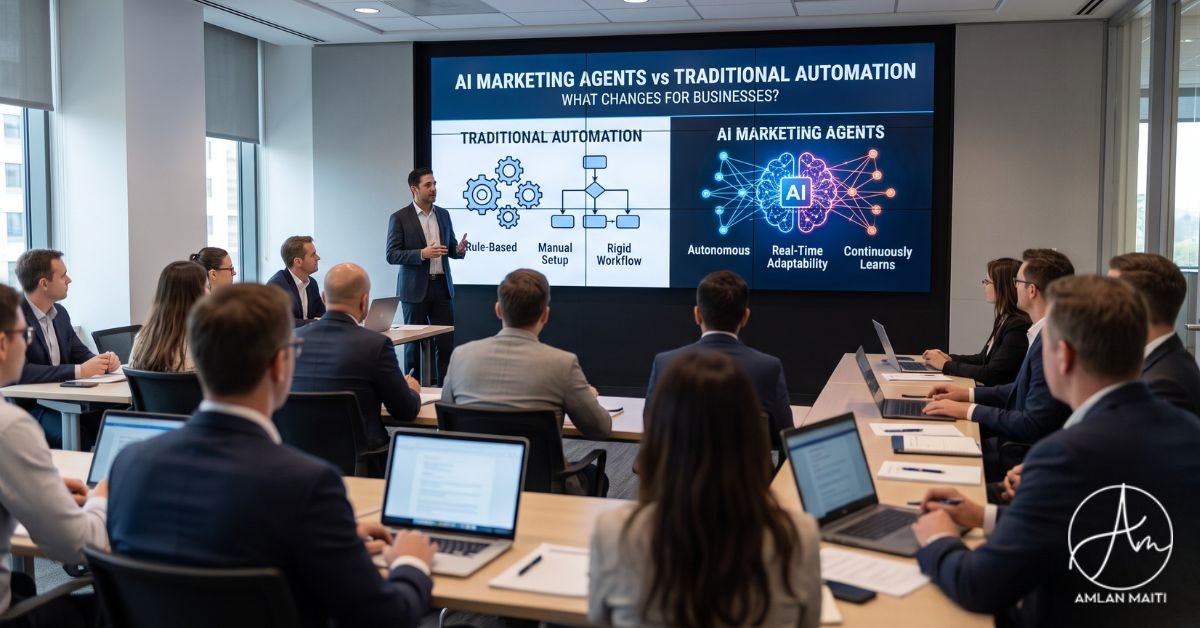
Traditional automation follows instructions. AI marketing agents can increasingly interpret situations, choose among possible actions, and adapt as circumstances change. That sounds like a small distinction, but for businesses it could reshape how campaigns, leads, customer journeys, and reporting are managed. The real question is not whether AI replaces automation, but what becomes possible when automation can make context-aware decisions.
This shift is already creating new opportunities for specialists such as an AI SEO Expert in Malaysia, where AI-driven search, content workflows, and digital marketing increasingly overlap. Instead of simply automating repetitive tasks, businesses can begin designing systems that respond to changing customer signals.
Traditional Automation Has Always Been Useful
Automation is hardly new. A marketing platform can send an email when someone downloads an ebook. A CRM can assign a lead to a salesperson. An ecommerce system can send an abandoned-cart reminder.
These workflows work because the rules are clear.
If X happens, do Y.
The strength of traditional automation is also its limitation. Once the situation moves outside the predefined rules, the workflow generally stops, waits for human intervention, or follows a fallback action.
That is perfectly reasonable for predictable processes. Businesses don’t need an AI agent deciding whether to send every routine invoice reminder.
So, What Makes an AI Marketing Agent Different?
An AI marketing agent is designed to work toward a goal rather than simply execute one fixed instruction. Depending on the system, it can interpret information, use connected tools, decide what action to take, and adjust its next step based on what happens.
Imagine a potential customer fills out a form.
A traditional workflow might immediately send an email and notify sales. An AI agent could potentially examine the customer’s company information, previous interactions, content engagement, stated requirements, and lead history before deciding whether to personalize the response, ask for more information, prioritize the lead, or route it to a particular team.
The difference is subtle but important: automation executes; an agent can reason through a workflow.
Where the Business Impact Becomes Visible
1. Lead qualification
Traditional systems often score leads using predetermined rules. AI agents can potentially evaluate a wider combination of signals and explain why a lead appears valuable.
That can help sales teams spend less time sorting spreadsheets and more time having useful conversations.
2. Campaign optimization
A conventional workflow might pause a campaign when a specific threshold is reached. An AI-powered system could monitor multiple signals, identify an emerging pattern, and recommend or execute an adjustment within defined boundaries.
3. Customer follow-up
Instead of sending identical follow-ups to everyone, an agent can potentially use conversation history and customer behavior to determine which message, channel, or next step makes the most sense.
These applications point toward agentic marketing, where AI becomes part of an ongoing decision loop rather than a one-time content generator.
AI Agents Do Not Make Automation Obsolete
This is where businesses sometimes get carried away.
Not every automation needs an AI brain. In fact, using AI for a simple deterministic task can introduce unnecessary cost, complexity, and unpredictability.
A sensible technology stack may use traditional automation for:
- Scheduled email sequences.
- Routine notifications and alerts.
- Standard CRM updates.
- Simple lead-routing rules.
- Predictable data synchronization.
AI agents become more interesting when the process requires interpretation, prioritization, adaptation, or multiple connected steps.
The Bigger Change: From Workflows to Goals
The most meaningful shift may not be technological at all. It is conceptual.
Traditional automation asks: “What should happen when this event occurs?”
Agentic systems ask something closer to: “What are we trying to achieve, and what actions could move us toward that outcome?”
That changes how marketing teams design processes.
Instead of creating dozens of rigid workflows, teams can begin defining objectives, constraints, available tools, approval points, and measurable outcomes.
Research from McKinsey’s 2025 global AI survey found that 88% of respondents reported regular AI use in at least one business function, while only about one-third said their organizations had begun scaling AI across the enterprise.
That gap matters. Experimenting with AI is easy. Building reliable systems around it is much harder.
What Businesses Need Before Deploying AI Agents
An agent is only as useful as the environment in which it operates. Give it clean data, reliable tools, clear permissions, and sensible goals, and it can become useful. Give it fragmented systems and vague instructions, and the results can become messy quickly.
- Clean data: Customer, product, campaign, and sales information should be reasonably reliable.
- Connected systems: Agents need controlled access to the platforms where meaningful actions occur.
- Clear boundaries: Define what the agent can recommend, execute, approve, or never touch.
- Human oversight: High-impact decisions should have appropriate review mechanisms.
- Performance measurement: Evaluate outcomes, not merely the number of tasks completed.
Security and governance matter just as much. An agent with access to a CRM, advertising account, email platform, and customer database has considerably more power than a chatbot answering questions on a website.
Frequently Asked Questions
What is an AI marketing agent?
An AI marketing agent is a system designed to pursue a defined marketing objective by interpreting information, selecting actions, using connected tools, and adapting its workflow within established boundaries.
Is an AI agent better than traditional automation?
Not always. Traditional automation is often better for simple, repetitive, predictable tasks. AI agents are more useful when workflows involve changing conditions, interpretation, prioritization, or multiple decisions.
Can AI agents replace marketing teams?
AI agents can automate parts of marketing operations, but they do not remove the need for strategy, creativity, brand judgment, customer understanding, and human oversight. They are better viewed as a new operational capability.
What is the first step toward using AI marketing agents?
Start with a clearly defined business problem. Identify a repetitive workflow that requires meaningful decisions, then assess the available data, systems, permissions, risks, and measurable outcome before introducing an agent.
Final Thoughts
The future of marketing automation probably won’t be a choice between old automation and shiny AI agents. Businesses will use both.
Rules will continue handling predictable work. AI agents will take on processes where context and judgment matter. And human teams will remain responsible for the goals, boundaries, creativity, and decisions that give the system direction.
The real competitive advantage will come from knowing which jobs should remain simple—and which ones are finally ready to become intelligent.
Blog Development Credits
Conceptualized by Amlan Maiti, developed through AI-assisted research and drafting, then refined for SEO by Digital Piloto Private Limited.
Related Articles
08 October 2026
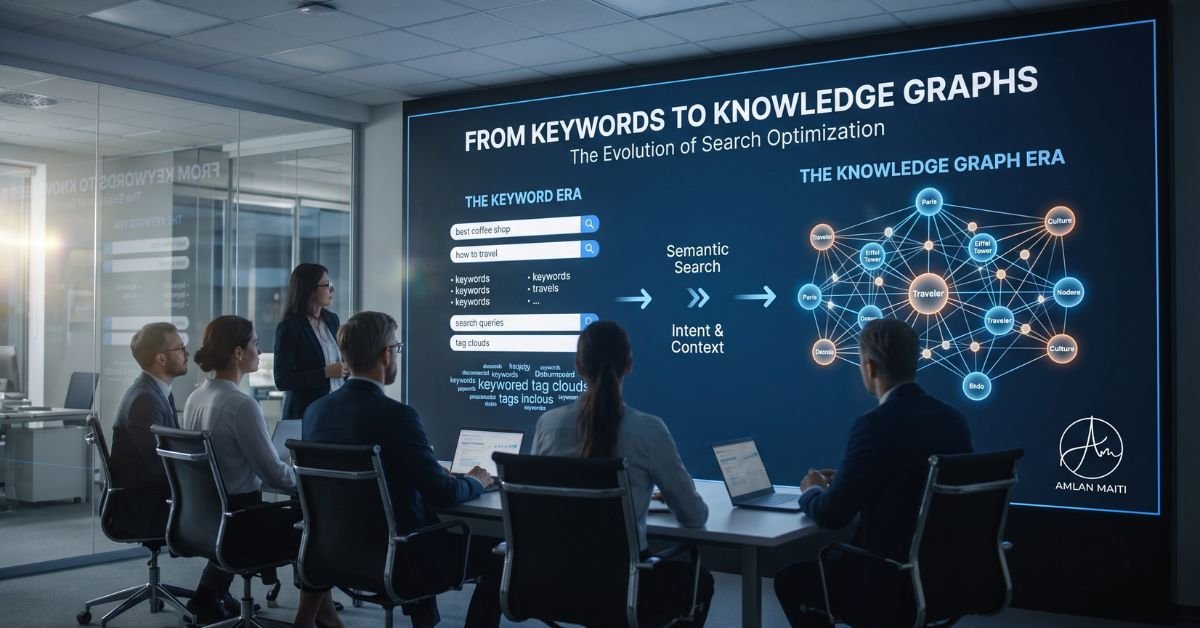
From Keywords to Knowledge Graphs: The Evolution of Search Optimization
Search optimization once revolved around matching words: find the phrase people type, place it in the right places, and earn…
07 October 2026
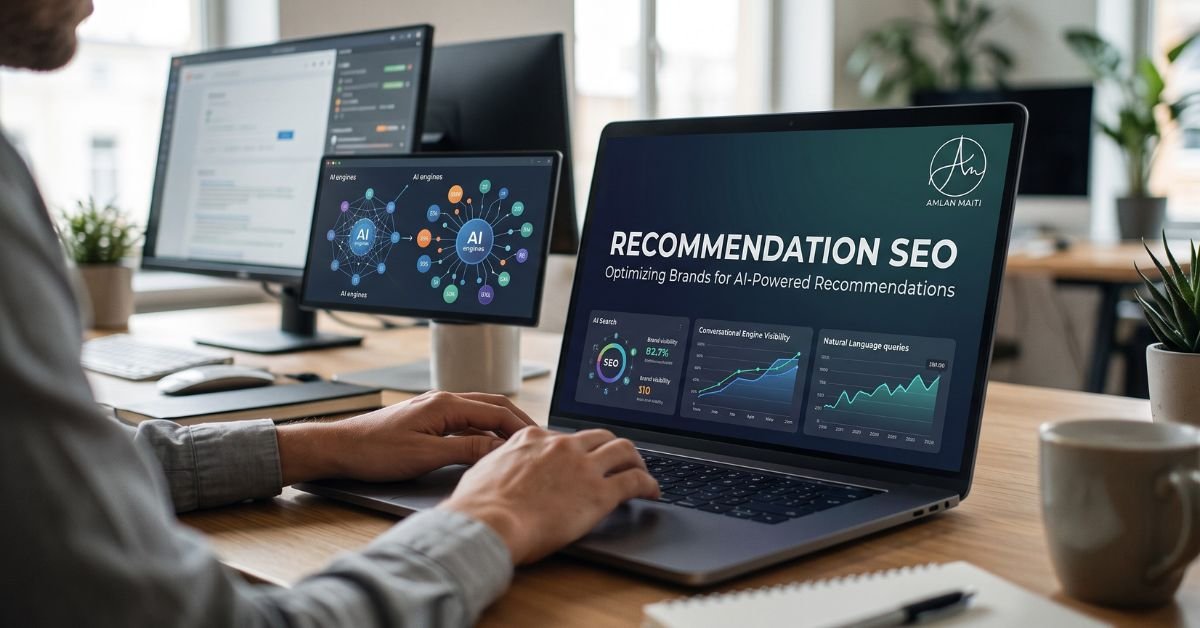
Recommendation SEO: Optimizing Brands for AI-Powered Recommendations
Search is becoming less about finding ten blue links and more about getting a useful recommendation. When AI suggests a…
05 October 2026
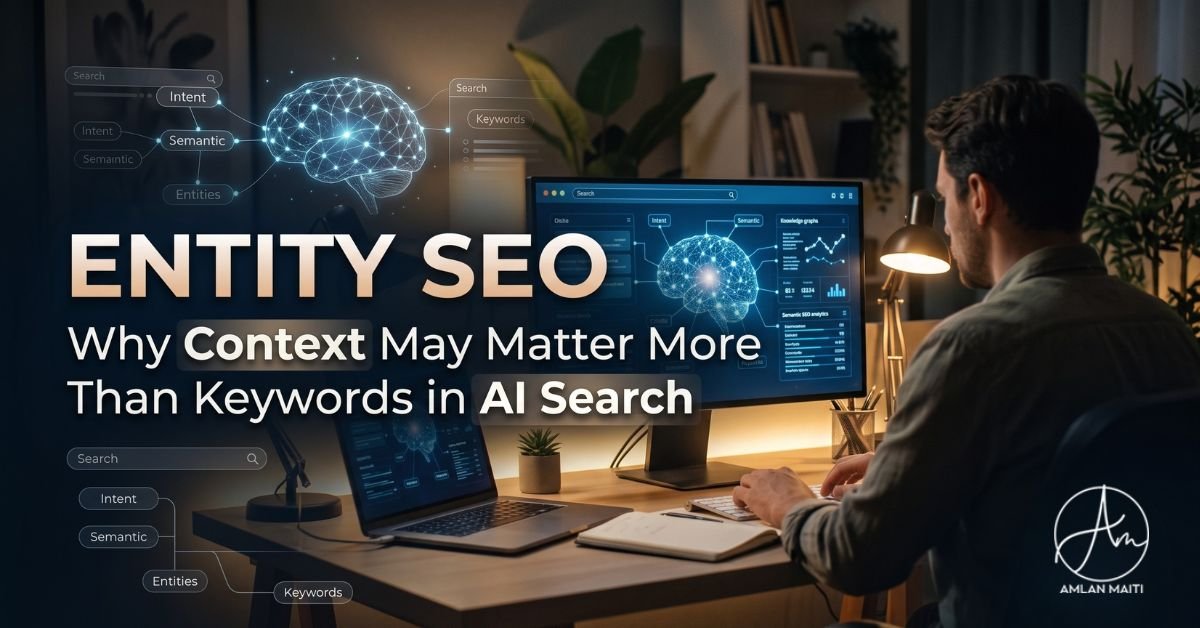
Entity SEO: Why Context May Matter More Than Keywords in AI Search
For years, SEO taught marketers to think in keywords. But AI search is changing the question. Instead of simply matching…

Get In Touch
Initiate your digital marketing journey by filling out this form.