



Recent Post
- Tracking GEO Metrics as AI Search Answers Change Over Time
- Digital Consistency: Why AI Needs a Consistent Brand Identity Across the Web
- AI-Powered Reputation Engineering: Managing Brand Perception in Generative Search
- RAG-Ready Content: How Businesses Can Prepare Websites for AI Retrieval
- From Marketing Automation to Autonomous Marketing: What Comes Next?
- AI Agents and the Future of Personalized Customer Journeys
Introduction
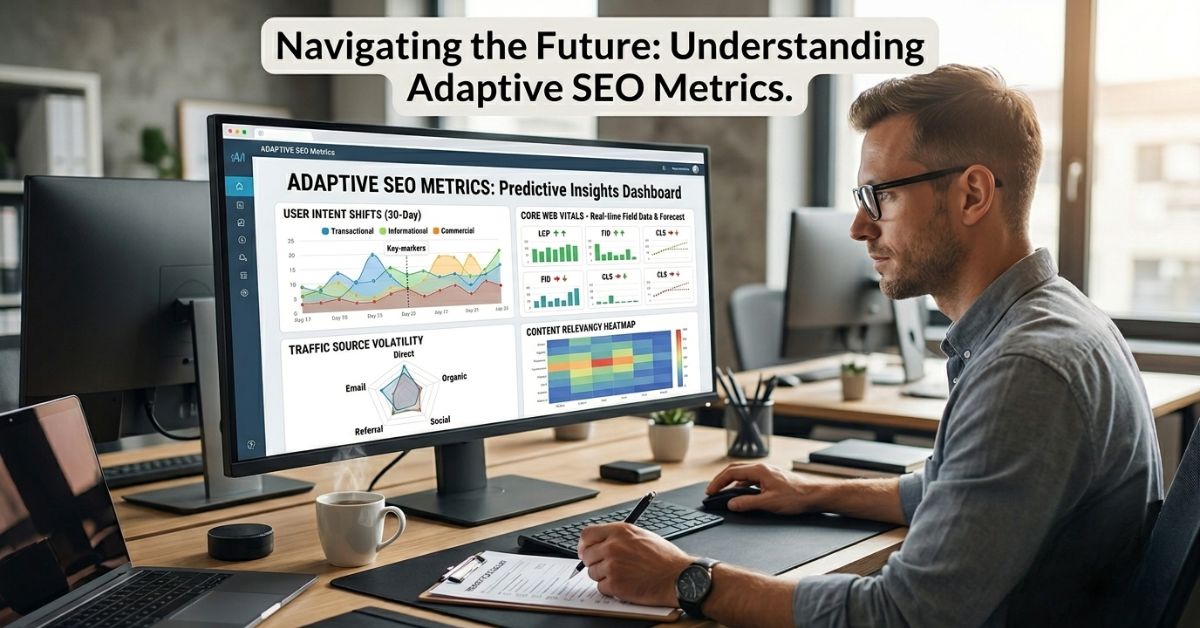
In the rapidly evolving landscape of digital marketing, AI SEO has become a pivotal element for businesses aiming to enhance their online visibility. As search engines continue to refine their algorithms, understanding and implementing adaptive SEO metrics is essential for staying ahead of the competition. These metrics not only help in measuring performance but also guide the strategic adjustments necessary for achieving optimal results.
Current Trends in Adaptive SEO Metrics
The realm of SEO is witnessing significant shifts, driven by technological advancements and changing consumer behaviors. Here are some of the most notable trends:
User Experience Focus
Today’s SEO strategies are increasingly centered around user experience (UX). Metrics such as page load speed, mobile-friendliness, and intuitive site navigation are crucial for enhancing user engagement. Websites that prioritize these factors often see improved retention rates and lower bounce rates, which are favorable signals to search engines.
Voice Search Optimization
With the proliferation of smart speakers and virtual assistants, optimizing for voice search has become imperative. This involves focusing on natural language processing and long-tail keywords. Businesses that adapt to this trend can capture a growing segment of voice search queries, which are often more conversational in nature.
AI and Machine Learning Integration
The integration of AI and machine learning into SEO practices is revolutionizing how businesses analyze user behavior and predict trends. AI-driven tools enable marketers to develop more dynamic and personalized SEO strategies, ensuring that content aligns with user intent.
Supporting Statistics
- Mobile-First Indexing: As of 2023, over **70%** of websites are optimized for mobile-first indexing, highlighting the shift towards mobile-friendly SEO practices.
- Voice Search Growth: Approximately **55%** of households are expected to own a smart speaker by 2024, indicating a significant increase in voice search queries.
Major Challenges in Adaptive SEO
Despite the advancements, businesses face significant challenges, particularly with frequent algorithm updates. These unpredictable changes require constant adaptation and realignment of SEO strategies to maintain visibility and ranking. Companies that remain proactive in their approach to SEO metrics can better navigate these challenges.
Tool Spotlight: AI-Driven SEO Tools
Many tools are available to help businesses adapt their SEO strategies effectively. For instance:
- ChatGPT: This AI tool can analyze user queries and provide insights into trending topics, helping marketers create relevant content that resonates with their audience.
- Google Gemini: A powerful analytics tool that offers real-time data on user behavior, allowing businesses to adjust their strategies based on current trends.
Real-World Example: A Successful SEO Strategy
Consider a healthcare startup that implemented an adaptive SEO strategy by focusing on user experience and voice search optimization. They revamped their website to enhance mobile usability and incorporated long-tail keywords related to common health queries. As a result, they experienced a **40%** increase in organic traffic within six months, demonstrating the effectiveness of adaptive SEO metrics in driving growth.
FAQs
What are adaptive SEO metrics?
Adaptive SEO metrics are performance indicators that help businesses measure and optimize their SEO strategies in real-time. They focus on user engagement, search engine visibility, and overall website performance, allowing for timely adjustments to improve results.
Why is user experience important for SEO?
User experience is crucial for SEO because search engines prioritize websites that provide a seamless and engaging experience for users. Factors like page load speed and mobile-friendliness can significantly impact search rankings and user retention.
How can AI improve SEO strategies?
AI can enhance SEO strategies by analyzing vast amounts of data to identify trends and user behavior patterns. This enables marketers to create more targeted content and optimize their strategies dynamically, improving overall performance.
What challenges do businesses face with SEO?
Businesses often face challenges such as frequent algorithm updates from search engines, which can impact visibility and rankings. Additionally, keeping up with evolving user expectations and technological advancements can be daunting.
How can I measure the success of my SEO efforts?
Success can be measured through various metrics, including website traffic, engagement rates, and conversion rates. Tools like Google Analytics and AI-driven SEO platforms can provide insights into these metrics, helping businesses evaluate their performance.
Conclusion
In conclusion, understanding and leveraging adaptive SEO metrics is vital for businesses seeking to thrive in the digital landscape. By focusing on user experience, embracing AI technologies, and staying informed about industry trends, companies can develop effective SEO strategies that drive measurable growth.
Blog Development Credits
This blog was developed by Amlan Maiti, an expert in AI-powered digital marketing and SEO strategies. For more insights, connect with Amlan on LinkedIn and explore how Digital Piloto can optimize your digital marketing efforts.
Related Articles
05 September 2026
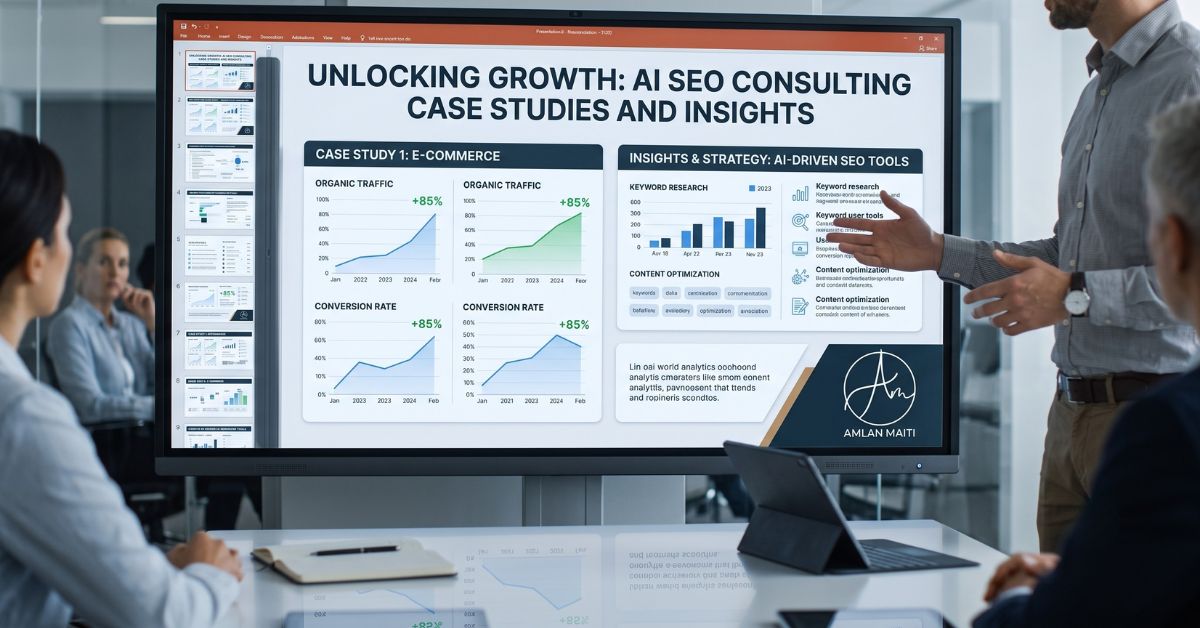
Unlocking Growth: AI SEO Consulting Case Studies and Insights
In the fast-evolving landscape of digital marketing, AI SEO consulting has emerged as a game-changer for businesses looking to enhance…

04 September 2026
Navigating the Future of AI Marketing Strategy
The future of AI marketing strategy is rapidly evolving, driven by advancements in technology and changing consumer behaviors. As businesses…
03 September 2026
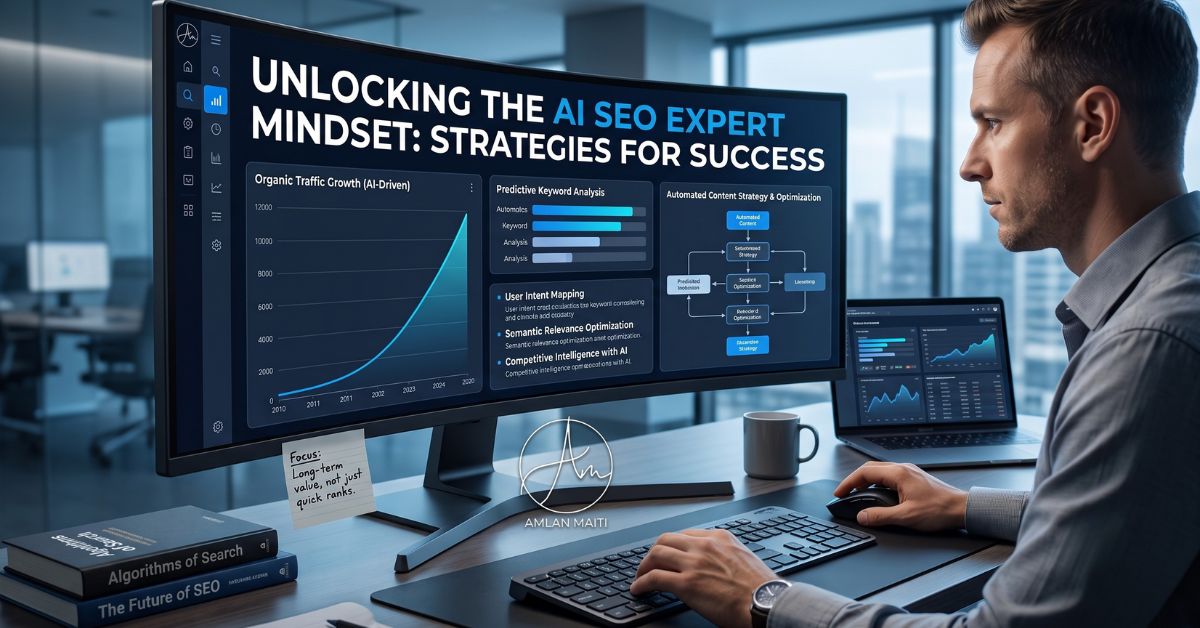
Unlocking the AI SEO Expert Mindset: Strategies for Success
Understanding the AI SEO Expert Mindset In today’s digital landscape, the AI SEO expert mindset is pivotal for marketers aiming…

Get In Touch
Initiate your digital marketing journey by filling out this form.