




Recent Post
- Tracking GEO Metrics as AI Search Answers Change Over Time
- Digital Consistency: Why AI Needs a Consistent Brand Identity Across the Web
- AI-Powered Reputation Engineering: Managing Brand Perception in Generative Search
- RAG-Ready Content: How Businesses Can Prepare Websites for AI Retrieval
- From Marketing Automation to Autonomous Marketing: What Comes Next?
- AI Agents and the Future of Personalized Customer Journeys
The future of AI marketing strategy is rapidly evolving, driven by advancements in technology and changing consumer behaviors. As businesses strive to stay ahead of the competition, integrating artificial intelligence into marketing practices has become essential. This blog explores the current trends and innovations shaping the landscape of AI marketing, highlighting the importance of personalization, content creation, and predictive analytics.
Current Trends in AI Marketing
1. Personalization at Scale
One of the most significant trends in AI marketing is the ability to deliver hyper-personalized experiences. By analyzing vast amounts of consumer data, AI enables marketers to tailor content and offers to individual preferences. This level of personalization not only enhances customer engagement but also drives conversion rates. In fact, a recent survey found that **80% of marketers using AI** reported a significant improvement in their personalization efforts, leading to a **20% increase in conversion rates**.
2. AI-Powered Content Creation
AI tools are revolutionizing content creation, allowing marketers to generate everything from social media posts to full-length articles. Tools like ChatGPT and Google Gemini are at the forefront of this innovation, enabling brands to maintain a consistent and engaging online presence. These AI-driven solutions analyze audience preferences and trends, ensuring that the content resonates with target demographics while saving time and resources.
3. Predictive Analytics
Predictive analytics powered by AI is becoming indispensable for marketers looking to optimize their campaigns. By forecasting consumer behavior, businesses can make data-driven decisions that enhance their return on investment (ROI). This capability allows for more effective targeting and resource allocation, ultimately leading to improved marketing outcomes.
Major Challenges in AI Marketing
Despite the numerous benefits, businesses face challenges, particularly concerning data privacy. As AI marketing strategies heavily rely on data collection and analysis, ensuring compliance with regulations like GDPR is crucial. Failure to address these concerns can significantly impact consumer trust and brand reputation.
Tool Spotlight: AI Marketing Innovations
Several AI tools are leading the charge in transforming marketing strategies:
- ChatGPT: A language model that generates human-like text, useful for creating engaging content and automating customer interactions.
- Google Gemini: A tool that leverages machine learning to analyze data and predict trends, helping marketers make informed decisions.
Real-World Example: Success through AI Integration
Consider a leading e-commerce brand that implemented AI-driven marketing strategies. By utilizing predictive analytics, they forecasted customer purchasing behavior, allowing them to tailor promotions effectively. As a result, they experienced a **30% increase in sales** within just three months, demonstrating the power of AI in enhancing marketing effectiveness.
FAQs
1. What is AI marketing?
AI marketing refers to the use of artificial intelligence technologies to automate and optimize marketing processes. This includes data analysis, content creation, customer segmentation, and personalized marketing strategies.
2. How does AI improve personalization in marketing?
AI enhances personalization by analyzing consumer data to understand preferences and behaviors. This allows marketers to deliver tailored content and offers that resonate with individual customers, increasing engagement and conversion rates.
3. What are the key benefits of using AI in marketing?
Key benefits include improved efficiency, enhanced personalization, better predictive analytics, and the ability to scale marketing efforts. AI tools can analyze vast amounts of data quickly, providing insights that drive strategic decision-making.
4. Are there any risks associated with AI marketing?
Yes, there are risks, particularly concerning data privacy and compliance with regulations. Businesses must ensure they handle consumer data responsibly to maintain trust and avoid legal issues.
5. How can businesses get started with AI marketing?
Businesses can start by identifying areas where AI can enhance their marketing efforts, such as customer segmentation or content creation. Investing in AI tools and training staff to leverage these technologies is also crucial for successful implementation.
Conclusion
The future of AI marketing strategy is bright, with innovations continuously reshaping the landscape. By embracing AI technologies, businesses can enhance personalization, streamline content creation, and leverage predictive analytics to drive growth. As challenges like data privacy arise, it’s essential for marketers to navigate these waters carefully while maximizing the benefits of AI.
Blog Development Credits
This blog was developed by Amlan Maiti, an expert in AI-powered digital marketing strategies. For more insights, connect with Amlan on LinkedIn. Optimization provided by Digital Piloto.
Related Articles
05 September 2026
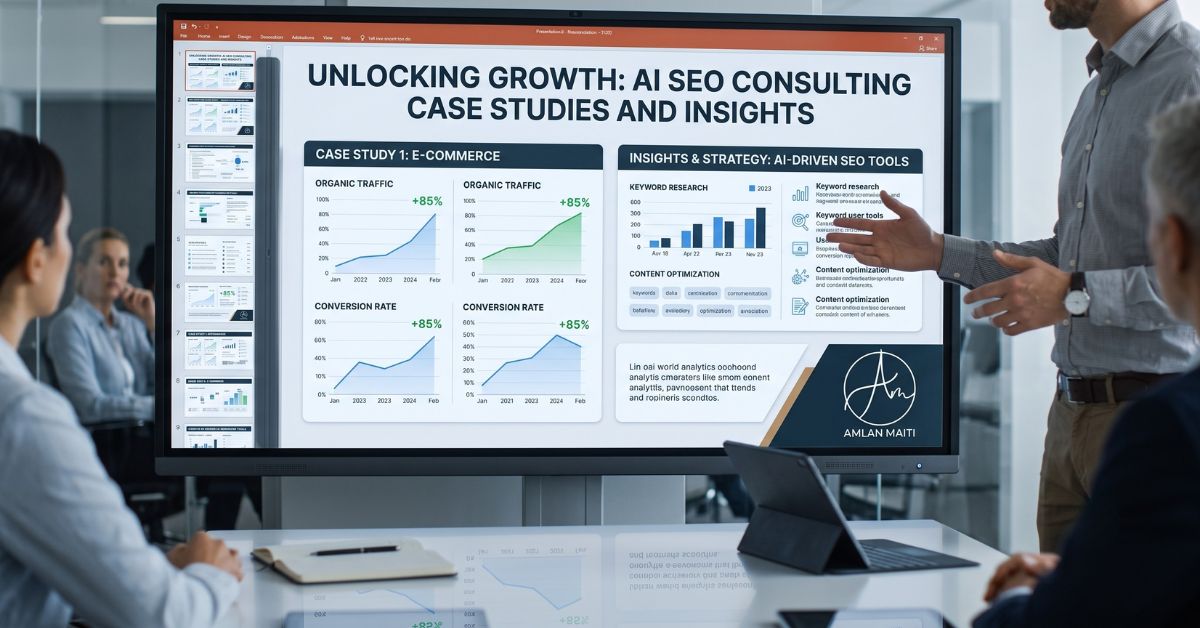
Unlocking Growth: AI SEO Consulting Case Studies and Insights
In the fast-evolving landscape of digital marketing, AI SEO consulting has emerged as a game-changer for businesses looking to enhance…
03 September 2026
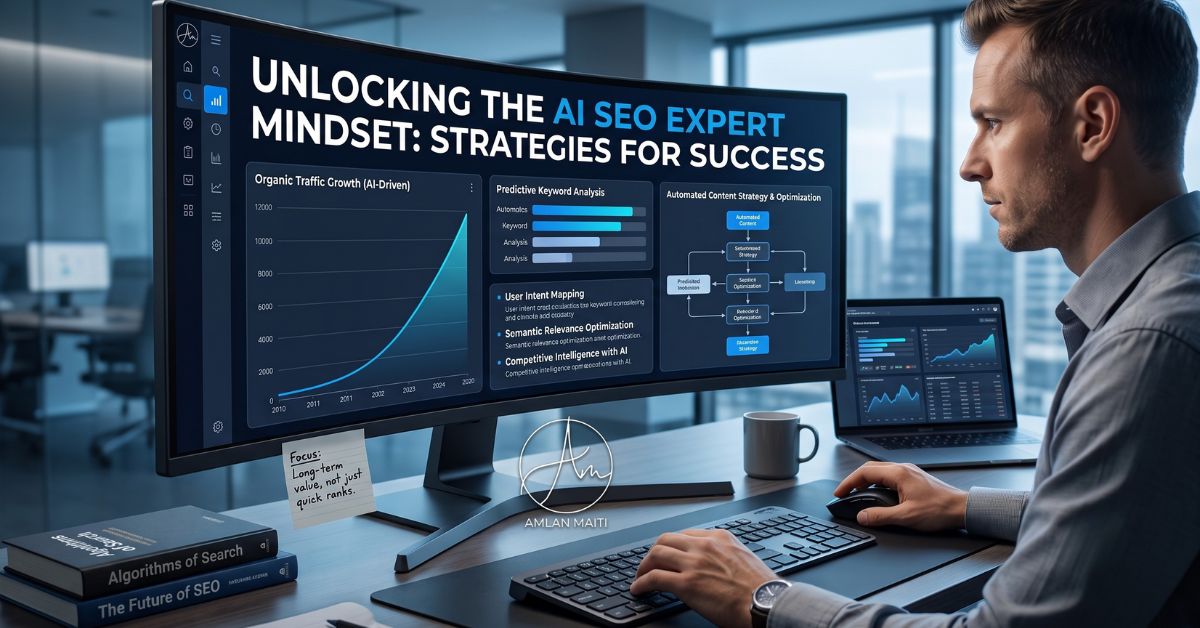
Unlocking the AI SEO Expert Mindset: Strategies for Success
Understanding the AI SEO Expert Mindset In today’s digital landscape, the AI SEO expert mindset is pivotal for marketers aiming…
02 September 2026
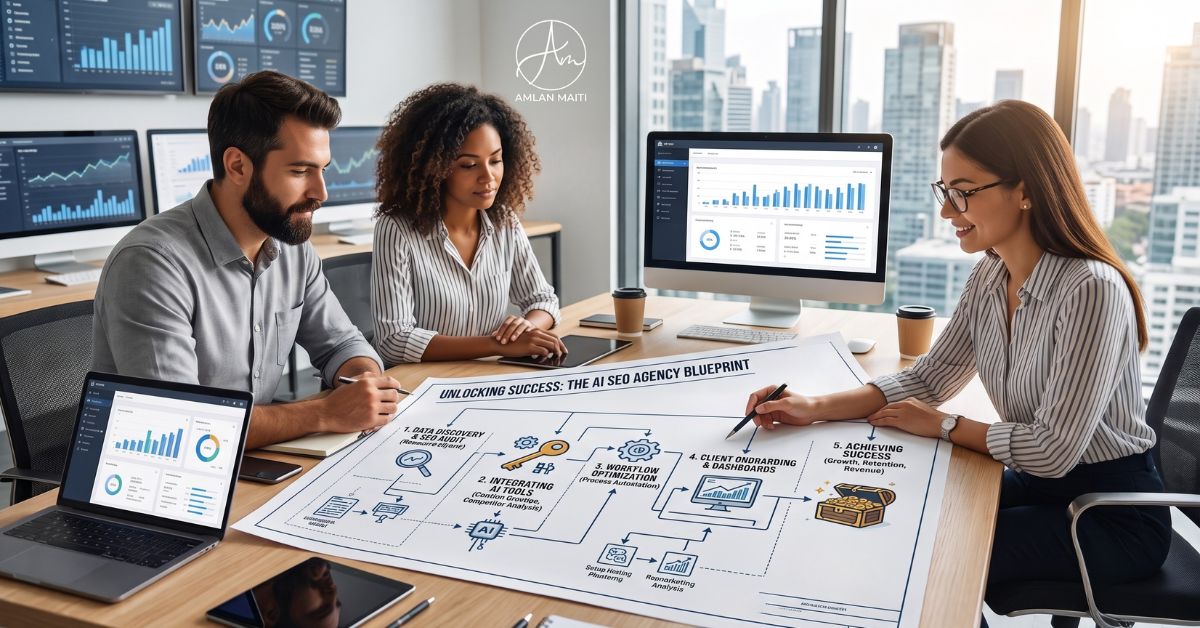
Unlocking Success with an AI SEO Agency Blueprint
In the rapidly evolving landscape of digital marketing, an AI SEO agency blueprint is essential for businesses aiming to stay…

Get In Touch
Initiate your digital marketing journey by filling out this form.