




Recent Post
- Tracking GEO Metrics as AI Search Answers Change Over Time
- Digital Consistency: Why AI Needs a Consistent Brand Identity Across the Web
- AI-Powered Reputation Engineering: Managing Brand Perception in Generative Search
- RAG-Ready Content: How Businesses Can Prepare Websites for AI Retrieval
- From Marketing Automation to Autonomous Marketing: What Comes Next?
- AI Agents and the Future of Personalized Customer Journeys
Introduction
In the rapidly evolving landscape of digital marketing, AI SEO has emerged as a game-changer. Businesses are now tasked with developing adaptive SEO content strategies that not only align with search engine algorithms but also resonate with user intent. This blog post delves into the key components of an adaptive SEO content strategy, highlighting current trends, challenges, and practical applications to ensure your content remains relevant and effective.
Current Trends in Adaptive SEO Content Strategy
Understanding the current trends is crucial for creating a successful adaptive SEO content strategy. Here are some of the most significant trends shaping the industry:
AI-Driven Content Optimization
Businesses are increasingly leveraging AI tools to analyze user behavior and optimize content in real-time. By utilizing platforms like ChatGPT and Google Gemini, marketers can generate insights that help tailor content to meet both search engine algorithms and user expectations. This not only enhances visibility but also improves engagement rates.
Voice Search Optimization
The rise of voice-activated devices has transformed how users search for information online. Content must now be adapted to cater to conversational queries, focusing on natural language and question-based keywords. Implementing voice search optimization can significantly enhance your content’s reach and effectiveness.
User Experience (UX) Focus
Today’s SEO strategies prioritize user experience. This includes integrating faster loading times, mobile-friendly designs, and interactive content. By enhancing UX, businesses can improve engagement and retention, ultimately leading to better search rankings.
Supporting Statistics
- 37% of marketers are currently using AI to enhance their SEO strategies, with many reporting improved search rankings and user engagement.
- By 2023, an estimated 58% of consumers have used voice search to find local business information, underscoring the importance of adaptive content strategies.
Major Challenges in Adaptive SEO
One of the most significant challenges businesses face is the constant changes in search engine algorithms. These updates require continuous adaptation of content strategies to maintain visibility and ranking. Staying informed and agile is essential for overcoming this hurdle.
Tool Spotlight: AI Tools for SEO
AI tools such as ChatGPT and Google Gemini play a pivotal role in enhancing SEO strategies. For example, ChatGPT can generate content ideas based on trending topics, while Google Gemini can analyze user behavior to suggest optimizations. By incorporating these tools, businesses can create more effective and adaptive content strategies.
Real-World Example: Successful Adaptive SEO Implementation
A notable case is that of an e-commerce company that utilized AI-driven content optimization. By analyzing customer data and search trends, they adapted their product descriptions and blog content to align with user queries. As a result, they saw a 40% increase in organic traffic and a 25% boost in conversion rates within just three months.
FAQs
What is an adaptive SEO content strategy?
An adaptive SEO content strategy involves creating content that can evolve based on changing search engine algorithms and user behavior. This approach ensures that your content remains relevant and effective in driving traffic and engagement.
How can AI improve my SEO strategy?
AI can enhance your SEO strategy by providing insights into user behavior, optimizing content in real-time, and automating tasks such as keyword research and content generation. This leads to more effective and targeted content creation.
Why is voice search optimization important?
Voice search optimization is crucial because a growing number of users are utilizing voice-activated devices to conduct searches. By adapting your content for voice queries, you can reach a broader audience and improve your chances of ranking higher in search results.
What are some common challenges in SEO?
Common challenges in SEO include keeping up with frequent algorithm changes, understanding user intent, and creating high-quality content that meets both SEO and user needs. Continuous learning and adaptation are key to overcoming these challenges.
How can I measure the success of my adaptive SEO strategy?
You can measure the success of your adaptive SEO strategy by tracking metrics such as website traffic, engagement rates, conversion rates, and keyword rankings. Analyzing these metrics will help you understand the effectiveness of your content and strategies.
Conclusion
In conclusion, mastering an adaptive SEO content strategy is essential for businesses looking to thrive in the digital landscape. By leveraging AI tools, optimizing for voice search, and focusing on user experience, you can create content that not only ranks well but also resonates with your audience. Stay agile and informed to navigate the ever-changing world of SEO effectively.
Blog Development Credits
This blog post was developed by Amlan Maiti, an expert in AI-powered digital marketing and SEO strategies. For more insights, connect with Amlan on LinkedIn and explore optimization services at Digital Piloto.
Related Articles

05 September 2026
Unlocking Growth: AI SEO Consulting Case Studies and Insights
In the fast-evolving landscape of digital marketing, AI SEO consulting has emerged as a game-changer for businesses looking to enhance…

04 September 2026
Navigating the Future of AI Marketing Strategy
The future of AI marketing strategy is rapidly evolving, driven by advancements in technology and changing consumer behaviors. As businesses…
03 September 2026
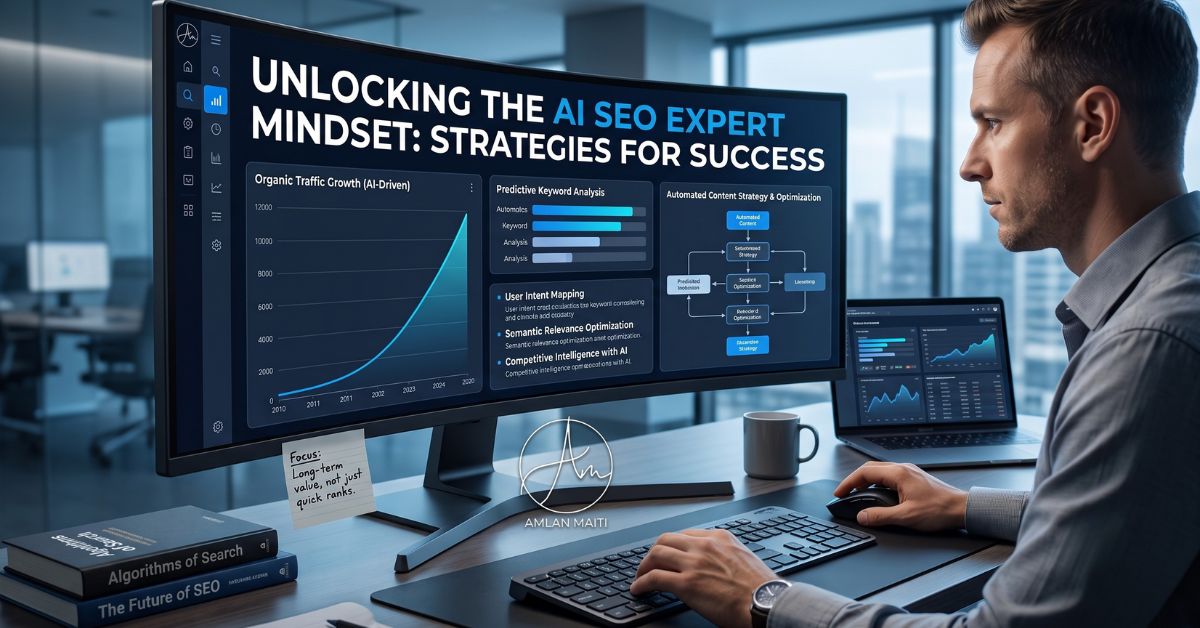
Unlocking the AI SEO Expert Mindset: Strategies for Success
Understanding the AI SEO Expert Mindset In today’s digital landscape, the AI SEO expert mindset is pivotal for marketers aiming…

Get In Touch
Initiate your digital marketing journey by filling out this form.