



Recent Post
- Tracking GEO Metrics as AI Search Answers Change Over Time
- Digital Consistency: Why AI Needs a Consistent Brand Identity Across the Web
- AI-Powered Reputation Engineering: Managing Brand Perception in Generative Search
- RAG-Ready Content: How Businesses Can Prepare Websites for AI Retrieval
- From Marketing Automation to Autonomous Marketing: What Comes Next?
- AI Agents and the Future of Personalized Customer Journeys
Introduction
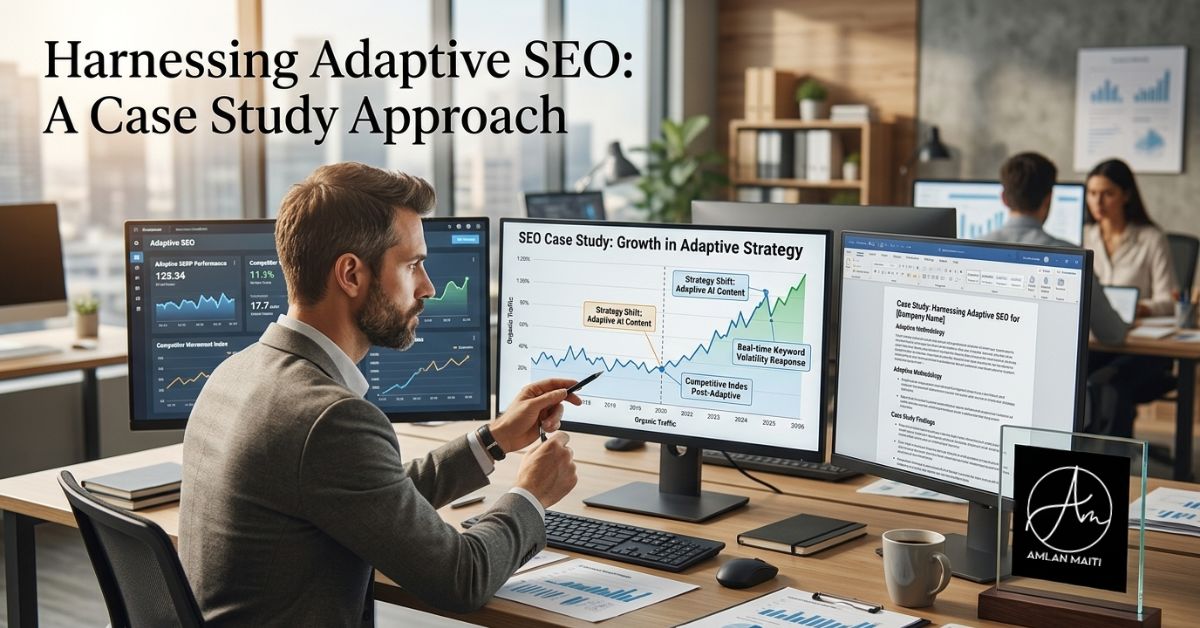
In the ever-evolving landscape of digital marketing, AI SEO has emerged as a game-changer, enabling businesses to adapt their strategies effectively. This blog post delves into the concept of adaptive SEO through a detailed case study, illustrating how companies can leverage innovative techniques to enhance their search engine performance and drive growth.
Understanding Adaptive SEO
Adaptive SEO refers to the ability to modify and optimize SEO strategies in response to changing algorithms, user behavior, and market dynamics. This approach is crucial for maintaining visibility and relevance in search engine results. By integrating AI-driven tools and techniques, businesses can achieve significant improvements in their SEO performance.
Current Trends Shaping Adaptive SEO
- AI-Driven SEO Tools: The rise of AI tools has transformed keyword research and content optimization. Tools like ChatGPT and Google Gemini provide predictive analytics, enabling marketers to stay ahead of algorithm changes.
- Voice Search Optimization: With the increasing popularity of smart speakers, optimizing for voice search is essential. This involves focusing on natural language and question-based queries to enhance user experience.
- Core Web Vitals Focus: Google’s emphasis on user experience metrics, such as loading speed and interactivity, necessitates prioritizing technical SEO improvements.
Real-World Example: A Successful Adaptive SEO Implementation
One notable example of adaptive SEO is a healthcare provider that faced declining website traffic due to frequent algorithm changes. By implementing AI-driven tools, they conducted a thorough analysis of their existing content and identified gaps in keyword targeting. The team then optimized their content for voice search and improved site speed, resulting in a **45% increase in organic traffic** within three months. This case demonstrates the effectiveness of adaptive SEO in responding to market changes.
Tool Spotlight: AI-Driven SEO Tools
AI-driven tools like SEMrush and Ahrefs are invaluable for businesses looking to enhance their SEO strategies. These tools provide insights into keyword performance, competitor analysis, and backlink opportunities. By utilizing these resources, marketers can make data-informed decisions that lead to improved search rankings and visibility.
Challenges in Adaptive SEO
Despite its benefits, businesses face challenges in implementing adaptive SEO strategies. One major hurdle is algorithm volatility, which can disrupt established SEO practices. Continuous monitoring and adaptation are essential to mitigate this risk. Additionally, the integration of AI tools requires a learning curve, demanding investment in training and resources.
FAQs
1. What is adaptive SEO?
Adaptive SEO is the practice of modifying SEO strategies in response to changes in search engine algorithms, user behavior, and market trends. This ensures that businesses remain visible and relevant in search results.
2. How can AI improve SEO strategies?
AI enhances SEO strategies by providing predictive analytics, optimizing content based on user intent, and automating repetitive tasks. This allows marketers to focus on high-impact activities that drive growth.
3. What are Core Web Vitals?
Core Web Vitals are a set of metrics that measure user experience on a website, including loading speed, interactivity, and visual stability. Google uses these metrics as ranking factors, making them crucial for SEO.
4. Why is voice search optimization important?
With the rise of smart speakers, optimizing for voice search is critical as it changes how users interact with search engines. Focusing on natural language and question-based queries can enhance visibility and user engagement.
5. How can businesses stay updated with SEO trends?
Businesses can stay updated with SEO trends by following industry blogs, attending webinars, and utilizing AI tools for real-time insights. Engaging with professional networks and forums can also provide valuable information.
Conclusion
Adaptive SEO is essential for businesses aiming to thrive in the competitive digital landscape. By embracing AI-driven tools and techniques, companies can effectively navigate the challenges posed by algorithm changes and enhance their search engine performance. The case study discussed highlights the importance of continuous adaptation and innovation in achieving measurable growth.
Blog Development Credits
This blog post was developed with insights from Amlan Maiti, leveraging research from AI tools like ChatGPT and Google Gemini, and optimized by Digital Piloto.
Related Articles

05 September 2026
Unlocking Growth: AI SEO Consulting Case Studies and Insights
In the fast-evolving landscape of digital marketing, AI SEO consulting has emerged as a game-changer for businesses looking to enhance…

04 September 2026
Navigating the Future of AI Marketing Strategy
The future of AI marketing strategy is rapidly evolving, driven by advancements in technology and changing consumer behaviors. As businesses…
03 September 2026
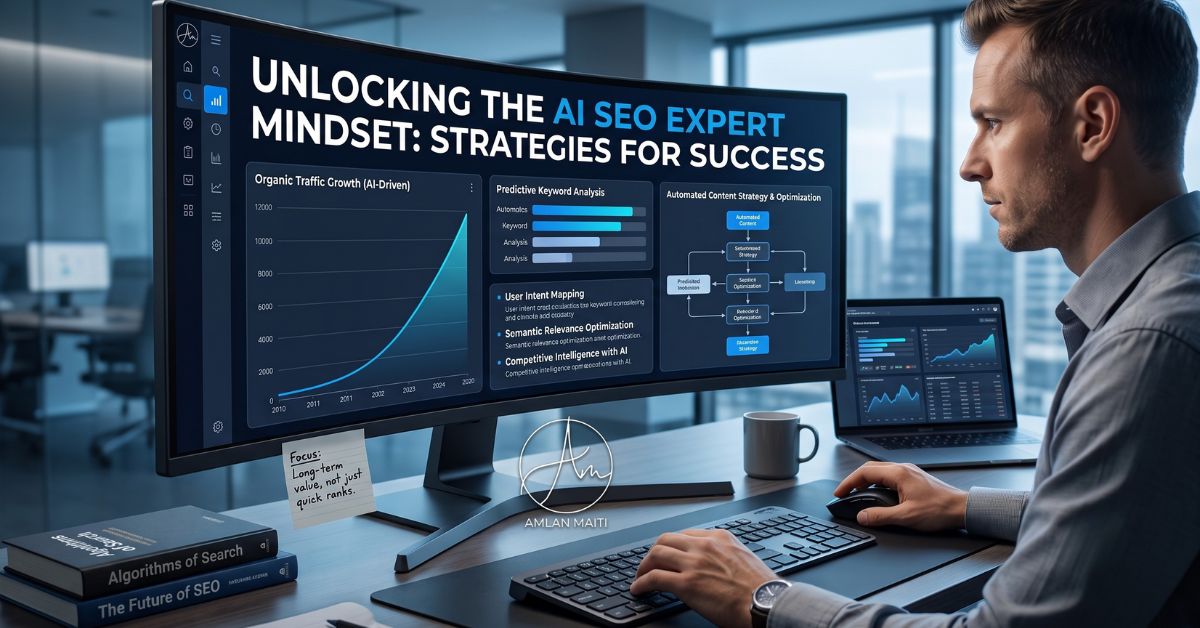
Unlocking the AI SEO Expert Mindset: Strategies for Success
Understanding the AI SEO Expert Mindset In today’s digital landscape, the AI SEO expert mindset is pivotal for marketers aiming…

Get In Touch
Initiate your digital marketing journey by filling out this form.