



Recent Post
- Tracking GEO Metrics as AI Search Answers Change Over Time
- Digital Consistency: Why AI Needs a Consistent Brand Identity Across the Web
- AI-Powered Reputation Engineering: Managing Brand Perception in Generative Search
- RAG-Ready Content: How Businesses Can Prepare Websites for AI Retrieval
- From Marketing Automation to Autonomous Marketing: What Comes Next?
- AI Agents and the Future of Personalized Customer Journeys
Introduction
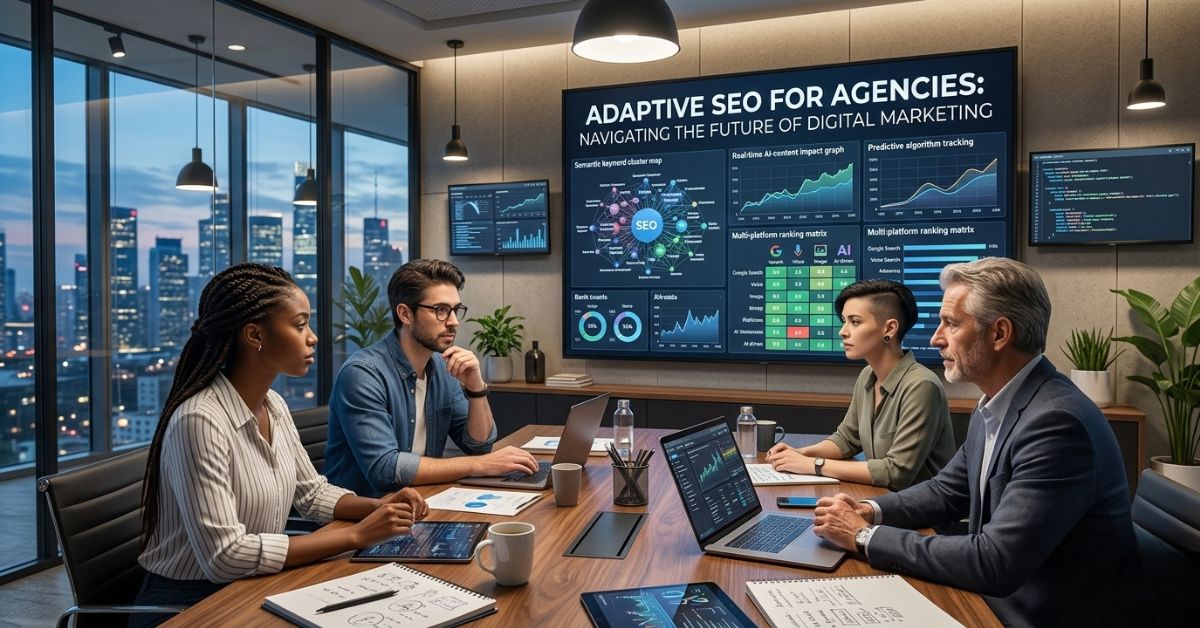
In the ever-evolving landscape of digital marketing, AI SEO has emerged as a game-changer for agencies striving to enhance their strategies. As businesses increasingly seek innovative ways to improve their online presence, adaptive SEO techniques have become essential. This blog post explores the latest trends, statistics, and challenges that agencies face in adopting adaptive SEO practices.
Current Trends in Adaptive SEO
Agencies today are not just focusing on traditional SEO methods; they are embracing a range of adaptive strategies that leverage technology and consumer behavior insights. Here are some of the most significant trends:
1. AI and Machine Learning Integration
Agencies are increasingly leveraging AI tools to automate and enhance various aspects of SEO. From keyword research to content optimization, AI can analyze vast amounts of data quickly, providing insights that help improve SEO outcomes. For instance, tools like ChatGPT and Google Gemini are being utilized to generate content ideas and optimize existing content based on user intent.
2. Voice Search Optimization
With the rise of smart speakers and voice assistants, optimizing for voice search has become crucial. This involves focusing on natural language queries and long-tail keywords. Agencies must adapt their content strategies to cater to how users phrase their questions verbally, ensuring they remain relevant in search results.
3. Core Web Vitals Focus
Google’s emphasis on user experience metrics, known as Core Web Vitals, is pushing agencies to prioritize technical SEO improvements. Factors such as loading speed, interactivity, and visual stability are now critical for ranking well in search results. Agencies that invest in improving these metrics can significantly enhance their clients’ visibility and user engagement.
Supporting Statistics
- AI in SEO: A 2023 survey revealed that 60% of SEO agencies are using AI tools to streamline their processes and improve efficiency.
- Voice Search Growth: By 2023, it is estimated that 55% of households will own a smart speaker, underscoring the importance of voice search optimization.
Challenges in Adaptive SEO
Despite the advancements in technology, agencies face significant challenges in implementing adaptive SEO strategies. One of the most pressing issues is keeping up with frequent and unpredictable search engine algorithm changes. These changes can dramatically impact SEO strategies and rankings, making it essential for agencies to stay informed and agile.
Tool Spotlight: AI Tools for SEO
Several AI tools are revolutionizing the way agencies approach SEO. For example, SEMrush offers comprehensive keyword research and competitive analysis features, allowing agencies to identify opportunities quickly. Meanwhile, Ahrefs provides robust backlink analysis, helping agencies understand their link-building strategies better. These tools not only save time but also enhance the accuracy of SEO efforts.
Real-World Example: Successful Adaptive SEO Implementation
A leading e-commerce agency implemented adaptive SEO strategies by focusing on voice search optimization. They analyzed customer queries and adjusted their content to include natural language phrases. As a result, they saw a 30% increase in organic traffic within three months, demonstrating the effectiveness of adapting to changing search behaviors.
FAQs
1. What is adaptive SEO?
Adaptive SEO refers to the practice of adjusting SEO strategies based on changing trends, technologies, and consumer behaviors. This approach allows agencies to stay relevant and effective in their digital marketing efforts.
2. How can AI improve SEO strategies?
AI can enhance SEO strategies by automating tasks such as keyword research, content optimization, and performance analysis. This leads to more efficient processes and better-informed decisions based on data-driven insights.
3. Why is voice search optimization important?
Voice search optimization is crucial because more consumers are using voice-activated devices to conduct searches. By optimizing for voice search, agencies can capture a growing audience and improve their chances of ranking for relevant queries.
4. What are Core Web Vitals?
Core Web Vitals are a set of user experience metrics that Google considers important for ranking. They include loading speed, interactivity, and visual stability, all of which impact how users experience a website.
5. How can agencies keep up with algorithm changes?
Agencies can stay updated with algorithm changes by following industry news, participating in SEO forums, and continuously testing and adjusting their strategies based on performance data. Regular training and education are also vital.
Conclusion
As the digital landscape continues to evolve, adaptive SEO strategies will be essential for agencies looking to maintain a competitive edge. By embracing AI and focusing on user experience, agencies can navigate the challenges and leverage the opportunities presented by this dynamic field.
Blog Development Credits
This blog post was developed with insights from Amlan Maiti, an expert in AI-powered digital marketing and SEO. For more information, visit Amlan Maiti and explore optimization strategies by Digital Piloto.
Related Articles
05 September 2026
Unlocking Growth: AI SEO Consulting Case Studies and Insights
In the fast-evolving landscape of digital marketing, AI SEO consulting has emerged as a game-changer for businesses looking to enhance…

04 September 2026
Navigating the Future of AI Marketing Strategy
The future of AI marketing strategy is rapidly evolving, driven by advancements in technology and changing consumer behaviors. As businesses…
03 September 2026
Unlocking the AI SEO Expert Mindset: Strategies for Success
Understanding the AI SEO Expert Mindset In today’s digital landscape, the AI SEO expert mindset is pivotal for marketers aiming…

Get In Touch
Initiate your digital marketing journey by filling out this form.