



Recent Post
- Mastering Real-Time SEO Optimization: Trends, Tools, and Techniques
- Mastering the Art of Adaptive SEO: A Comprehensive Guide
- Adaptive SEO Systems Explained: The Future of Search Engine Optimization
- Unlocking the Future: What Is Adaptive SEO?
- Unleashing the Power of AI Recommendation Systems: A Comprehensive Case Study
- Unlocking Success: Your AI Discovery Optimization Checklist
Understanding Adaptive SEO and Static SEO
In the ever-evolving landscape of digital marketing, businesses face the challenge of optimizing their online presence to meet changing consumer behaviors and search engine algorithms. Two prominent strategies in this realm are Adaptive SEO and Static SEO. While both aim to enhance visibility and drive traffic, they differ significantly in their approach and effectiveness in today’s dynamic digital environment.
What is Static SEO?
Static SEO refers to traditional search engine optimization techniques that rely on fixed strategies and predefined keywords. This approach often involves optimizing website elements such as meta tags, headers, and content based on a set of keywords that may not change frequently. While effective in the past, static SEO can struggle to keep up with the rapid pace of change in consumer behavior and search engine algorithms.
Limitations of Static SEO
- Inflexibility: Static SEO strategies are often rigid, making it challenging to adapt to new trends or algorithm updates.
- Slow to Respond: Businesses using static SEO may find it difficult to react to real-time data and changing user preferences.
- Less Personalization: Static approaches typically lack the ability to personalize content based on user behavior and preferences.
What is Adaptive SEO?
In contrast, Adaptive SEO embraces flexibility and responsiveness. This approach utilizes advanced technologies, including AI and machine learning, to analyze data and predict search trends. By leveraging these insights, businesses can tailor their strategies to meet the evolving needs of their target audience.
Advantages of Adaptive SEO
- Real-Time Adjustments: Adaptive SEO allows for continuous optimization based on real-time data, ensuring strategies remain relevant.
- Enhanced Personalization: This approach enables businesses to deliver personalized content that resonates with individual users, improving engagement.
- Proactive Trend Analysis: With AI tools, businesses can identify emerging trends and adjust their strategies accordingly, staying ahead of competitors.
Current Trends Shaping SEO
As we navigate 2023, several trends highlight the importance of adopting adaptive SEO strategies:
- AI and Machine Learning Integration: According to a recent survey, **60% of marketers** are already utilizing AI tools to enhance their SEO strategies, indicating a significant shift towards more adaptive approaches.
- Voice Search Optimization: With the rise of voice-activated devices, adaptive SEO strategies are evolving to include voice search optimization, while static SEO often fails to accommodate this shift.
- Mobile-First Indexing: Over **55% of global web traffic** now comes from mobile devices, emphasizing the need for adaptive SEO strategies that prioritize mobile optimization.
Major Challenges in SEO
One of the most significant challenges businesses face is keeping up with frequent algorithm changes. Static SEO strategies often struggle to adapt, leading to decreased visibility. In contrast, adaptive SEO requires ongoing investment in technology and expertise to remain effective, making it essential for businesses to stay informed and agile.
Tool Spotlight: AI in SEO
Tools like ChatGPT and Google Gemini are revolutionizing the way businesses approach SEO. ChatGPT, for instance, can assist in generating high-quality content tailored to specific keywords, while Google Gemini offers insights into user behavior and preferences, enabling businesses to optimize their strategies effectively.
Real-World Example: A Successful Adaptive SEO Implementation
A leading e-commerce company implemented adaptive SEO by utilizing AI-driven tools to analyze customer behavior. By personalizing their content and optimizing for mobile users, they saw a **30% increase** in organic traffic within three months. This success was attributed to their ability to quickly adapt to changing user preferences and search trends.
FAQs
1. What is the primary difference between adaptive SEO and static SEO?
The main difference lies in flexibility. Adaptive SEO is responsive and utilizes real-time data to optimize strategies, while static SEO follows fixed techniques that may not adjust to changing trends.
2. How can businesses implement adaptive SEO?
Businesses can implement adaptive SEO by leveraging AI tools for data analysis, personalizing content based on user behavior, and staying updated with industry trends to make timely adjustments.
3. Why is mobile optimization important in SEO?
With over 55% of global web traffic coming from mobile devices, optimizing for mobile is crucial for enhancing user experience and improving search engine rankings.
4. What role does AI play in modern SEO strategies?
AI plays a significant role by providing insights into user behavior, predicting search trends, and enabling personalized content creation, making SEO strategies more effective and responsive.
5. How often should businesses update their SEO strategies?
Businesses should regularly review and update their SEO strategies, ideally on a quarterly basis, to adapt to algorithm changes, emerging trends, and shifts in consumer behavior.
Conclusion
In conclusion, as the digital marketing landscape continues to evolve, businesses must embrace adaptive SEO strategies to remain competitive. By leveraging AI and staying responsive to changes, companies can enhance their online presence and drive measurable growth.
Blog Development Credits
This blog was developed by Amlan Maiti, a seasoned AI-powered digital marketing consultant, and optimized by Digital Piloto. With a focus on integrating AI into SEO practices, we aim to provide actionable insights for businesses navigating the digital landscape.
Related Articles
11 July 2026
Mastering Real-Time SEO Optimization: Trends, Tools, and Techniques
Understanding Real-Time SEO Optimization In the fast-paced world of digital marketing, AI SEO has emerged as a game-changer. Real-time SEO…
10 July 2026
Mastering the Art of Adaptive SEO: A Comprehensive Guide
In the ever-evolving world of digital marketing, an AI SEO strategy is essential for businesses aiming to stay ahead of…
09 July 2026
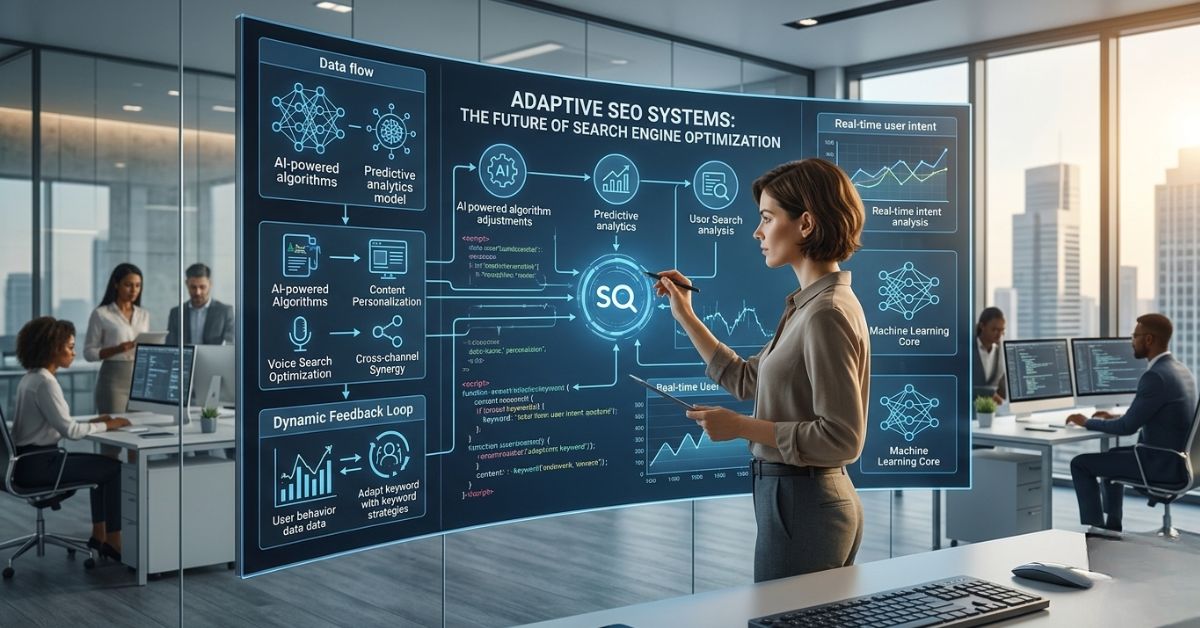
Adaptive SEO Systems Explained: The Future of Search Engine Optimization
Introduction In the ever-evolving landscape of digital marketing, AI SEO has emerged as a game-changer, particularly with the rise of…

Get In Touch
Initiate your digital marketing journey by filling out this form.