




Recent Post
- Entity SEO: Why Context May Matter More Than Keywords in AI Search
- How AI Is Changing the Digital Marketing Funnel From Discovery to Conversion
- How AI Can Connect SEO, Paid Ads, CRO and Lead Generation
- How Multi-Agent AI Systems Could Reshape Performance Marketing
- Agentic AI Marketing: How Autonomous AI Agents Are Changing Digital Marketing
- Knowledge Graph SEO: Why Entities Matter in the Age of AI Search
In the ever-evolving world of digital marketing, an AI SEO strategy is essential for businesses aiming to stay ahead of the competition. With search engines constantly updating their algorithms and user behavior shifting, adopting an adaptive SEO strategy is no longer optional—it’s a necessity. This guide will explore the key components of an adaptive SEO strategy, current trends, and actionable insights to help you optimize your online presence effectively.
Understanding Adaptive SEO
Adaptive SEO refers to the ability to modify and enhance your SEO strategies based on changing market conditions, user behavior, and search engine algorithms. This approach allows businesses to remain relevant and competitive by continuously refining their tactics to meet the needs of their audience.
Current Trends Shaping Adaptive SEO
- Voice Search Optimization: As smart speakers and voice-activated devices gain popularity, optimizing for voice search has become crucial. Businesses should focus on natural language queries and question-based keywords to capture this growing audience.
- AI and Machine Learning: Search engines are leveraging AI to deliver personalized search results. By utilizing AI tools, businesses can analyze data and predict user behavior, allowing them to tailor their content and improve SEO strategies.
- Core Web Vitals: Google emphasizes user experience metrics like loading speed, interactivity, and visual stability. Prioritizing these aspects can significantly enhance your website’s rankings.
Supporting Statistics
Recent studies highlight the importance of adapting to these trends:
- According to a 2023 report, **58% of consumers** have used voice search to find local business information in the last year.
- A study found that **60% of marketers** believe AI is essential for creating personalized content and improving SEO strategies.
Major Challenges in Adaptive SEO
One of the significant challenges businesses face is keeping up with algorithm changes. Search engines frequently update their algorithms, which can impact rankings and visibility. To navigate these changes effectively, staying informed and adaptable is crucial.
Key Components of an Adaptive SEO Strategy
- Continuous Learning: Regularly update your knowledge about SEO best practices and algorithm updates.
- Data-Driven Decisions: Use analytics tools to monitor performance and user behavior, allowing for informed adjustments to your strategy.
- Flexibility: Be prepared to pivot your strategy based on new trends or shifts in user preferences.
Tool Spotlight:
Utilizing AI tools like ChatGPT and Google Gemini can significantly enhance your adaptive SEO strategy. For instance, ChatGPT can assist in generating optimized content based on trending keywords, while Google Gemini can analyze user behavior patterns to inform your SEO decisions. These tools help streamline processes, making it easier to adapt to changes in the digital landscape.
Real-World Example:
A notable example of adaptive SEO in action is a local restaurant that optimized its website for voice search. By incorporating natural language and local keywords, the restaurant saw a **40% increase in foot traffic** within three months. This approach worked because it aligned with the growing trend of voice search, effectively capturing the attention of potential customers in the area.
FAQs
What is the importance of adaptive SEO?
Adaptive SEO is crucial because it allows businesses to respond quickly to changes in search engine algorithms and user behavior. This flexibility helps maintain or improve search rankings, ensuring that a company remains visible to its target audience.
How can I optimize for voice search?
To optimize for voice search, focus on using natural language and question-based keywords in your content. Additionally, ensure your website is mobile-friendly and fast-loading, as these factors significantly impact voice search rankings.
What tools can help with adaptive SEO?
Tools like ChatGPT for content generation and Google Analytics for data analysis are invaluable for adaptive SEO. They provide insights into user behavior and help create content that resonates with your audience.
How often should I update my SEO strategy?
Your SEO strategy should be reviewed and updated regularly, ideally every few months. However, it’s essential to stay informed about industry changes and algorithm updates, adjusting your strategy as needed to maintain effectiveness.
What are Core Web Vitals?
Core Web Vitals are a set of metrics that Google uses to measure user experience on a website. They include loading performance, interactivity, and visual stability, all of which are critical for improving search rankings.
Conclusion
Adopting an adaptive SEO strategy is essential for businesses looking to thrive in the dynamic digital landscape. By staying informed about current trends, utilizing AI tools, and being flexible in your approach, you can enhance your online presence and drive measurable growth.
Blog Development Credits
This blog was developed by Amlan Maiti, an expert in AI-powered digital marketing and SEO strategies. For more insights, connect with Amlan on LinkedIn and explore optimization strategies with Digital Piloto.
Related Articles

05 September 2026
Unlocking Growth: AI SEO Consulting Case Studies and Insights
In the fast-evolving landscape of digital marketing, AI SEO consulting has emerged as a game-changer for businesses looking to enhance…

04 September 2026
Navigating the Future of AI Marketing Strategy
The future of AI marketing strategy is rapidly evolving, driven by advancements in technology and changing consumer behaviors. As businesses…
03 September 2026
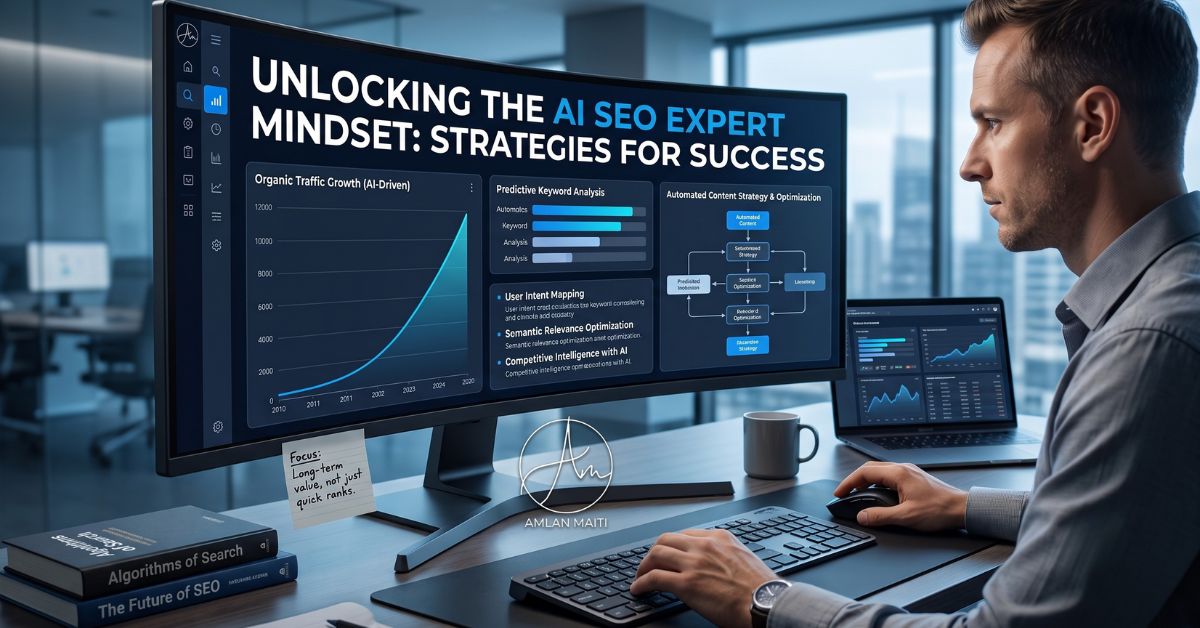
Unlocking the AI SEO Expert Mindset: Strategies for Success
Understanding the AI SEO Expert Mindset In today’s digital landscape, the AI SEO expert mindset is pivotal for marketers aiming…

Get In Touch
Initiate your digital marketing journey by filling out this form.