




Recent Post
- How AI Is Transforming the Marketing Journey
- From Keywords to Knowledge Graphs: The Evolution of Search Optimization
- Recommendation SEO: Optimizing Brands for AI-Powered Recommendations
- AI Marketing Agents vs Traditional Automation: What Changes for Businesses?
- Entity SEO: Why Context May Matter More Than Keywords in AI Search
- How AI Is Changing the Digital Marketing Funnel From Discovery to Conversion
Understanding AI Hallucinations
Did you know that AI systems can sometimes produce results that are completely off the mark? These inaccuracies, known as AI hallucinations, can be misleading and problematic. In this article, you’ll learn how to identify and address these issues, ensuring more reliable AI-generated outcomes.
What Are AI Hallucinations?
AI hallucinations occur when AI models generate outputs that are not based on the input data or reality. This can happen due to various reasons, such as data biases or model limitations. For instance, a language model might produce text that seems plausible but is factually incorrect.
Causes of AI Hallucinations
- Data Bias: If the training data is biased, the AI might produce skewed results.
- Model Complexity: Overly complex models can sometimes “imagine” data that isn’t there.
- Insufficient Training: Lack of diverse data can lead to inaccurate outputs.
Impact on Businesses
AI hallucinations can have significant consequences for businesses. Imagine a Digital Marketing Agency in India relying on AI for content creation. If the AI generates incorrect information, it could damage the agency’s credibility and client trust.
Real-World Example:
Consider a healthcare company using AI to analyze patient data. If the AI misinterprets the data, it could lead to incorrect diagnoses. This not only affects patient health but also the company’s reputation and legal standing.
Addressing AI Hallucinations
Now that you know the potential risks, how can you mitigate them? Here are some strategies:
- Data Quality: Ensure your training data is diverse and unbiased.
- Model Evaluation: Regularly test your AI models for accuracy and reliability.
- Human Oversight: Incorporate human review to catch and correct errors.
Tool Spotlight:
Tools like ChatGPT and Google Gemini can help identify and correct AI hallucinations. ChatGPT, for example, allows users to provide feedback on outputs, improving future accuracy. Google Gemini offers advanced analytics to detect anomalies in AI-generated data.
FAQs
What are AI hallucinations?
AI hallucinations are inaccuracies in AI-generated results, where the output doesn’t align with the input data or reality. They can occur due to data biases, model complexity, or insufficient training.
How do AI hallucinations affect businesses?
AI hallucinations can lead to incorrect information, damaging a business’s credibility and client trust. In sectors like healthcare, they can result in serious consequences like misdiagnoses.
How can businesses prevent AI hallucinations?
Businesses can prevent AI hallucinations by ensuring data quality, regularly evaluating AI models, and incorporating human oversight to catch and correct errors.
What tools can help address AI hallucinations?
Tools like ChatGPT and Google Gemini can help identify and correct AI hallucinations. They offer features like user feedback and advanced analytics to improve AI accuracy.
Why is human oversight important in AI?
Human oversight is crucial because it allows for the detection and correction of AI errors that machines might miss. It ensures that AI outputs are accurate and reliable.
Conclusion
Addressing AI hallucinations is crucial for businesses relying on AI-generated results. By understanding the causes and implementing strategies to mitigate them, you can ensure more accurate and reliable outcomes. Remember, a combination of quality data, model evaluation, and human oversight is key.
Blog Development Credits
This blog post was developed with insights from Amlan Maiti, an AI-Powered Digital Marketing & SEO Consultant, and optimized by Digital Piloto. Research was conducted using AI tools like ChatGPT and Google Gemini.
Related Articles
09 October 2026
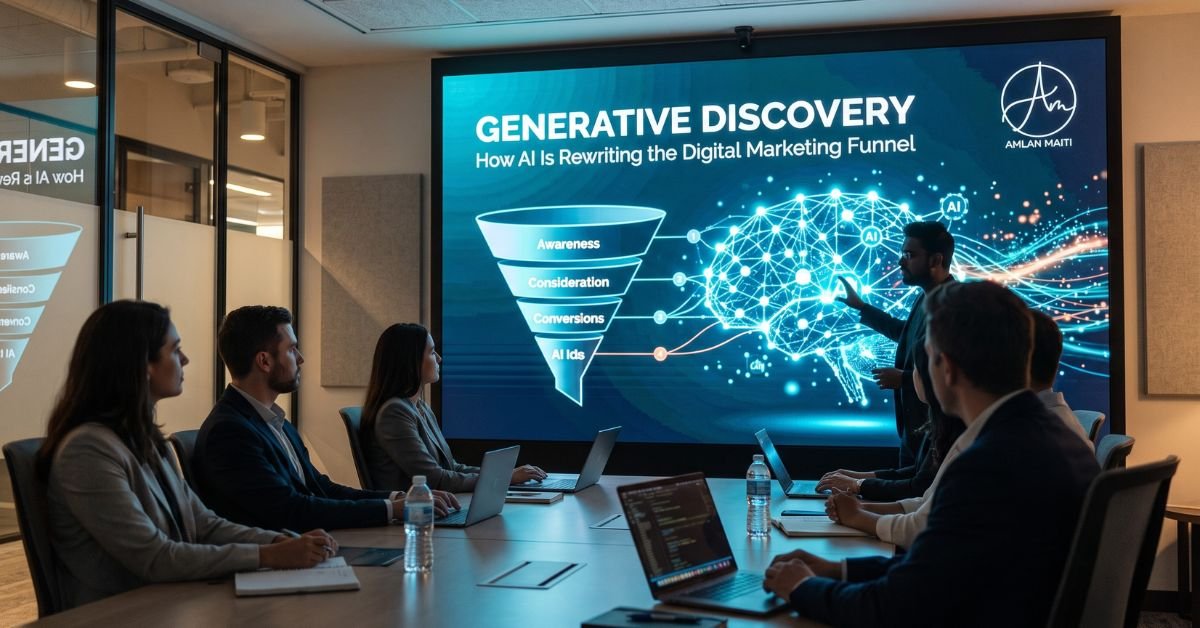
How AI Is Transforming the Marketing Journey
Digital marketing once followed a fairly predictable route: attract attention, generate interest, encourage consideration, and convert visitors into customers. Generative…
08 October 2026
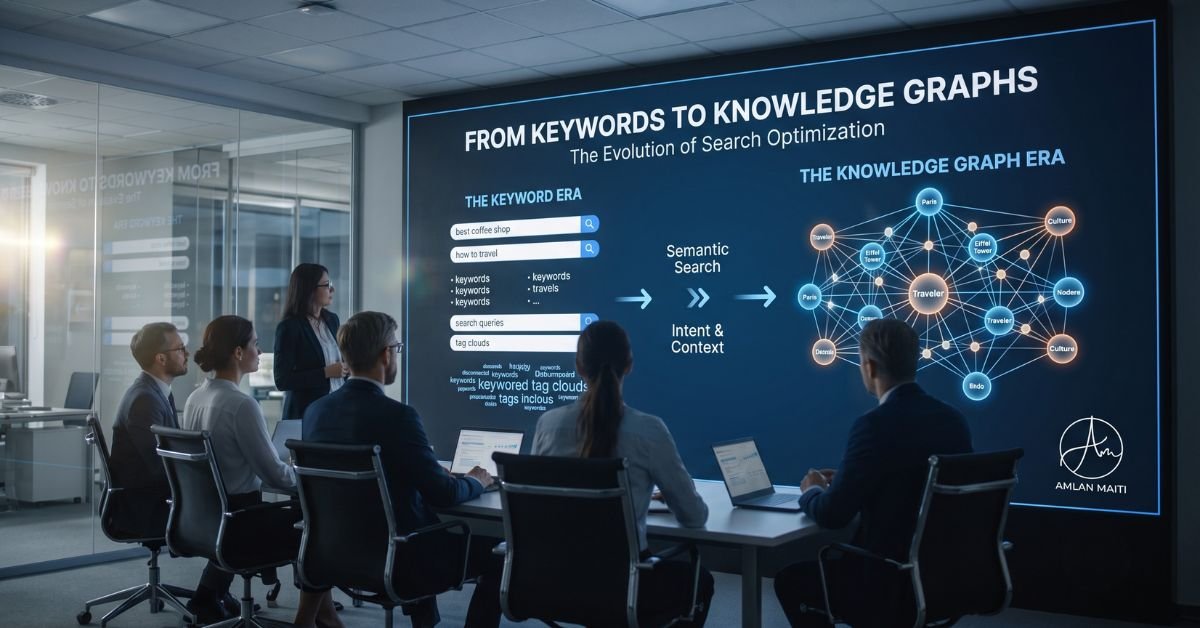
From Keywords to Knowledge Graphs: The Evolution of Search Optimization
Search optimization once revolved around matching words: find the phrase people type, place it in the right places, and earn…

07 October 2026
Recommendation SEO: Optimizing Brands for AI-Powered Recommendations
Search is becoming less about finding ten blue links and more about getting a useful recommendation. When AI suggests a…

Get In Touch
Initiate your digital marketing journey by filling out this form.