




Recent Post
- Unlocking Growth: AI SEO Consulting Case Studies and Insights
- Navigating the Future of AI Marketing Strategy
- Unlocking the AI SEO Expert Mindset: Strategies for Success
- Unlocking Success with an AI SEO Agency Blueprint
- Navigating the Future: AI SEO Leadership Strategies for Success
- Unlocking Success with the AI SEO Consulting Playbook
In the ever-evolving landscape of digital marketing, businesses are increasingly turning to GEO strategies to enhance their B2B marketing efforts. By leveraging location-based data, companies can create more personalized and effective marketing campaigns. This article explores the current trends, benefits, and challenges of incorporating AI SEO into GEO strategies for B2B marketing.
Understanding GEO for B2B Marketing
GEO strategies in B2B marketing involve using geographic data to tailor marketing efforts to specific locations. This approach enhances relevance, engagement, and ultimately, conversion rates. Businesses can utilize tools like geo-fencing and location analytics to gain insights into customer behavior and preferences.
Current Trends in GEO Marketing
- Hyper-Localization: Companies are focusing on hyper-local strategies to engage with customers on a more personal level. This involves customizing marketing messages to suit specific geographic areas.
- Geo-Fencing Technology: The use of geo-fencing is increasing, allowing businesses to send location-specific promotions to potential clients when they enter a predefined area.
- Data-Driven Decision Making: Geographic data analytics are being used to make informed decisions about market expansion and resource allocation.
Benefits of GEO Strategies
Implementing GEO strategies in B2B marketing offers numerous benefits. According to a recent survey, 72% of B2B marketers reported improved customer engagement rates through location-based marketing. Additionally, the global geo-marketing market is projected to grow significantly, underscoring its importance in modern marketing strategies.
Challenges in GEO Marketing
While GEO strategies offer numerous advantages, they also present challenges. One major concern is data privacy. As businesses collect more location-based data, ensuring compliance with privacy regulations is crucial to maintaining customer trust.
Tool Spotlight: Geo-Fencing Technology
Geo-fencing technology allows businesses to create virtual boundaries around specific locations. When potential clients enter these boundaries, they receive targeted promotions and information. Tools like Google Ads and Facebook Ads offer geo-fencing capabilities, enabling businesses to enhance their marketing efforts by reaching the right audience at the right time.
Real-World Example: Starbucks
Starbucks effectively uses geo-fencing technology to send location-specific promotions to customers near their stores. By offering personalized deals, Starbucks increases foot traffic and sales, demonstrating the power of GEO strategies in driving business growth.
FAQs
- What is GEO marketing? GEO marketing involves using geographic data to tailor marketing efforts to specific locations, enhancing relevance and engagement.
- How does geo-fencing work? Geo-fencing creates virtual boundaries around specific locations, sending targeted promotions to potential clients when they enter these areas.
- What are the benefits of GEO strategies? GEO strategies improve customer engagement, drive sales, and provide valuable insights into customer behavior and preferences.
- What challenges do businesses face with GEO marketing? Ensuring data privacy and compliance with regulations is a significant challenge in GEO marketing.
- How can businesses implement GEO strategies? Businesses can use tools like Google Ads and Facebook Ads for geo-fencing and location analytics to implement effective GEO strategies.
Conclusion
Incorporating GEO strategies into B2B marketing efforts can significantly enhance customer engagement and drive business growth. By leveraging location-based data, businesses can create more personalized and effective marketing campaigns. However, it’s essential to address data privacy concerns to maintain customer trust.
Blog Development Credits
This blog post was developed by Amlan Maiti, an AI-Powered Digital Marketing & SEO Consultant, with research assistance from AI tools like ChatGPT and Google Gemini. Optimization was provided by Digital Piloto.
Related Articles
05 September 2026
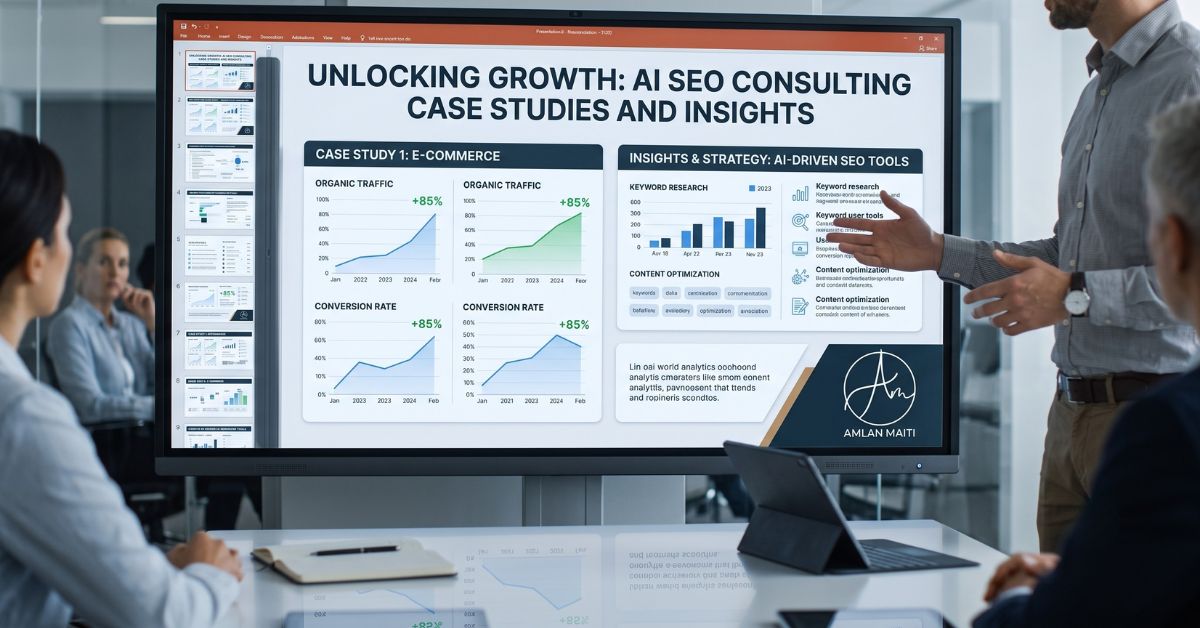
Unlocking Growth: AI SEO Consulting Case Studies and Insights
In the fast-evolving landscape of digital marketing, AI SEO consulting has emerged as a game-changer for businesses looking to enhance…

04 September 2026
Navigating the Future of AI Marketing Strategy
The future of AI marketing strategy is rapidly evolving, driven by advancements in technology and changing consumer behaviors. As businesses…
03 September 2026
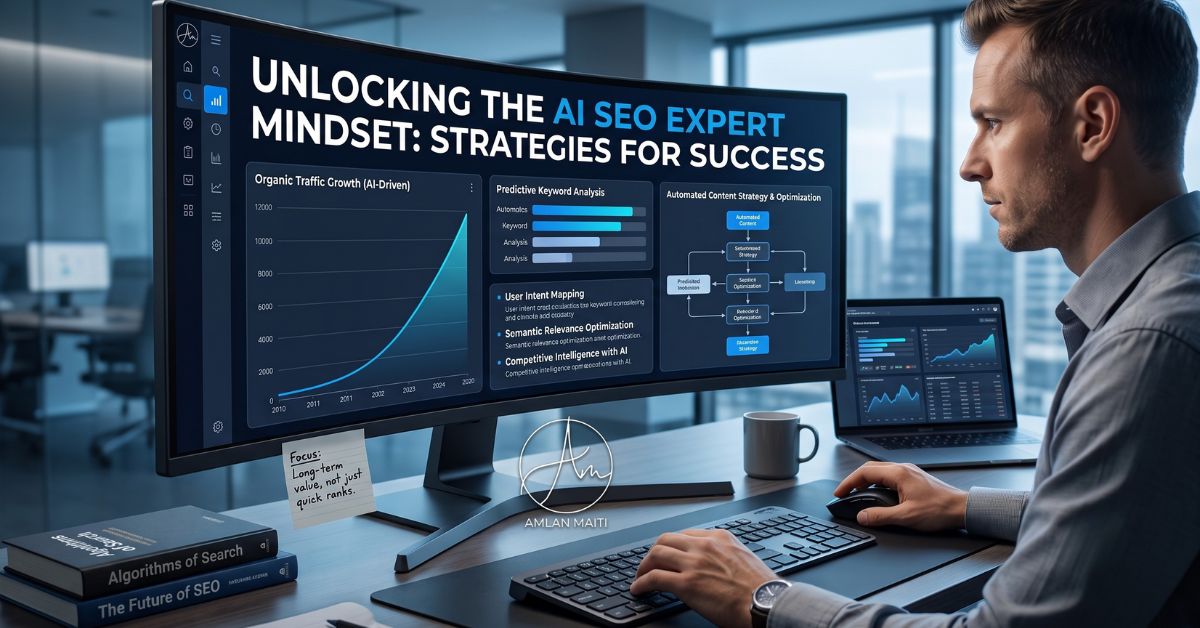
Unlocking the AI SEO Expert Mindset: Strategies for Success
Understanding the AI SEO Expert Mindset In today’s digital landscape, the AI SEO expert mindset is pivotal for marketers aiming…

Get In Touch
Initiate your digital marketing journey by filling out this form.