



Recent Post
- LLM SEO vs Traditional SEO: Navigating the Future of Search Optimization
- How LLMs Interpret Your Content
- Mastering LLM Content Optimization: A Comprehensive Guide
- Unlocking the Future: Understanding LLM SEO Ranking Signals
- Understanding LLM SEO: The Future of Search Engine Optimization
- Mastering GEO Strategy for Consultants: Trends, Tools, and Tactics
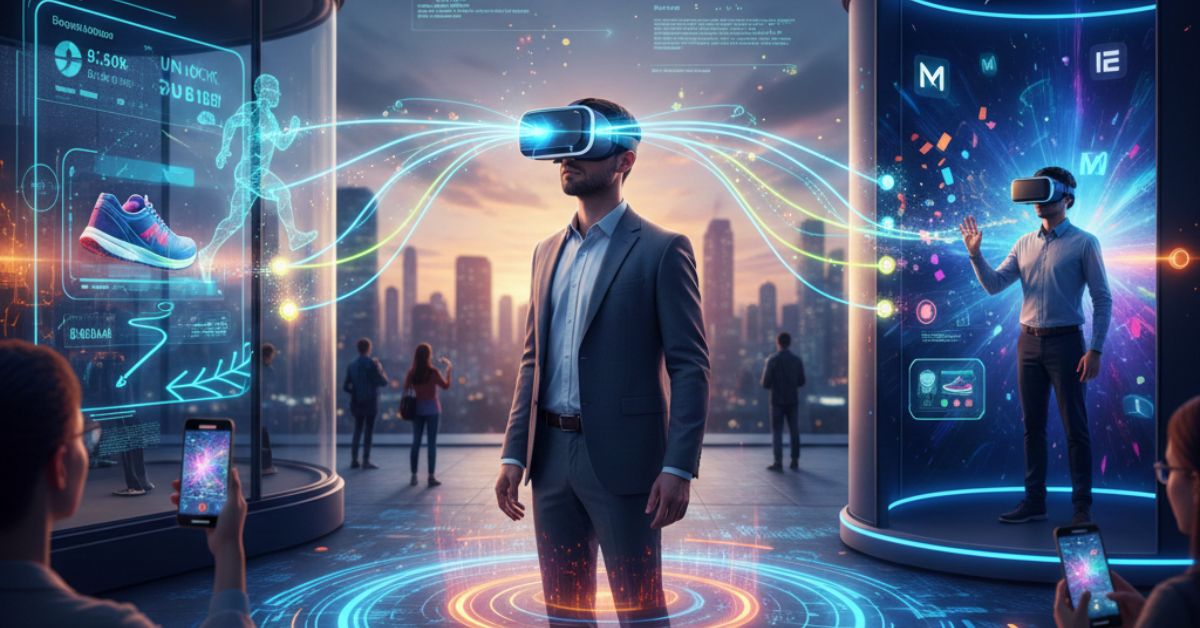
In the rapidly evolving landscape of digital marketing, visual storytelling has emerged as a powerful tool to captivate audiences and convey brand messages effectively. With the advent of Augmented Reality (AR) and Virtual Reality (VR), marketers now have the opportunity to create AI SEO Expert driven immersive experiences that engage consumers on a deeper level. This blog explores how AR/VR is transforming marketing strategies and enhancing brand engagement.
The Rise of AR/VR in Marketing
AR and VR technologies are revolutionizing the way brands interact with their audiences. By providing interactive and immersive experiences, these technologies allow consumers to engage with products and services in a virtual environment. According to a report by Statista, the AR/VR market in marketing is projected to grow from $12 billion in 2020 to over $72 billion by 2024, highlighting the rapid adoption of these technologies.
Interactive Product Demos
Brands are increasingly using AR/VR to create interactive product demonstrations. This approach allows consumers to experience products virtually before making a purchase, enhancing their understanding and confidence in the product. For instance, automotive companies are using VR to offer virtual test drives, providing potential buyers with a realistic feel of the vehicle without leaving their homes.
Virtual Try-Ons
Retailers, especially in the fashion and cosmetics industries, are adopting AR technology to offer virtual try-ons. This innovation allows customers to see how products look on them without physical interaction, significantly enhancing the shopping experience. A study by Deloitte found that 88% of mid-sized companies are already using some form of AR/VR in their marketing strategies, indicating widespread acceptance and integration.
Immersive Brand Storytelling
Companies are leveraging VR to craft immersive brand narratives that provide consumers with engaging experiences, deepening emotional connections and brand loyalty. By creating virtual environments that tell a story, brands can communicate their values and mission in a more compelling way.
Tool Spotlight: Google Gemini
Google Gemini is an AI tool that helps marketers design and implement AR experiences. By using machine learning algorithms, it allows brands to create personalized and engaging content that resonates with their target audience. This tool is particularly useful for creating interactive product demos and virtual try-ons, enhancing the overall consumer experience.
Challenges and Considerations
While AR/VR offers numerous benefits, businesses face significant challenges, particularly the high development costs. Creating high-quality immersive experiences requires substantial investment in technology and expertise, which can be a barrier for smaller companies. However, with strategic planning and the right tools, businesses can overcome these challenges and leverage AR/VR effectively.
FAQs
- What is visual storytelling in marketing?
Visual storytelling in marketing involves using images, videos, and other visual elements to convey a brand’s message and engage the audience emotionally. It enhances the narrative by making it more relatable and memorable. - How do AR and VR enhance marketing strategies?
AR and VR enhance marketing strategies by providing interactive and immersive experiences that engage consumers on a deeper level. They allow brands to offer virtual product demos, try-ons, and immersive storytelling, improving customer engagement and satisfaction. - What are the challenges of implementing AR/VR in marketing?
The primary challenge of implementing AR/VR in marketing is the high development cost. Creating high-quality immersive experiences requires significant investment in technology and expertise, which can be a barrier for smaller companies. - How can small businesses leverage AR/VR effectively?
Small businesses can leverage AR/VR effectively by using cost-effective tools and platforms to create simple yet engaging experiences. Collaborating with experienced developers and focusing on specific, high-impact use cases can also help maximize ROI. - What role does AI play in AR/VR marketing?
AI plays a crucial role in AR/VR marketing by enabling personalized and dynamic content creation. AI tools like Google Gemini help design and implement AR experiences, making them more engaging and relevant to the target audience.
Conclusion
AR and VR are transforming the marketing landscape by providing brands with innovative ways to engage their audiences. By embracing these technologies, businesses can create immersive experiences that enhance brand storytelling and customer engagement. As the market continues to grow, integrating AR/VR into marketing strategies will become increasingly essential for staying competitive.
Blog Development Credits
This blog was developed by Amlan Maiti, an expert in AI-powered digital marketing, in collaboration with Digital Piloto, ensuring optimized content and strategic insights for enhanced audience engagement.
Related Articles

31 March 2026
Mastering GEO Content Architecture: A Comprehensive Guide
In the evolving landscape of digital marketing, GEO content architecture has emerged as a pivotal strategy for businesses aiming to…
11 March 2026
Unlocking the Future: Intro to LLM SEO for Modern Marketers
In the rapidly evolving world of digital marketing, staying ahead of the curve is essential. One of the most transformative…
10 March 2026
SEO vs GEO: Key Differences Explained
In the evolving landscape of digital marketing, understanding the nuances between AI SEO and GEO strategies is crucial for businesses…

Get In Touch
Initiate your digital marketing journey by filling out this form.