



Recent Post
- LLM SEO vs Traditional SEO: Navigating the Future of Search Optimization
- How LLMs Interpret Your Content
- Mastering LLM Content Optimization: A Comprehensive Guide
- Unlocking the Future: Understanding LLM SEO Ranking Signals
- Understanding LLM SEO: The Future of Search Engine Optimization
- Mastering GEO Strategy for Consultants: Trends, Tools, and Tactics
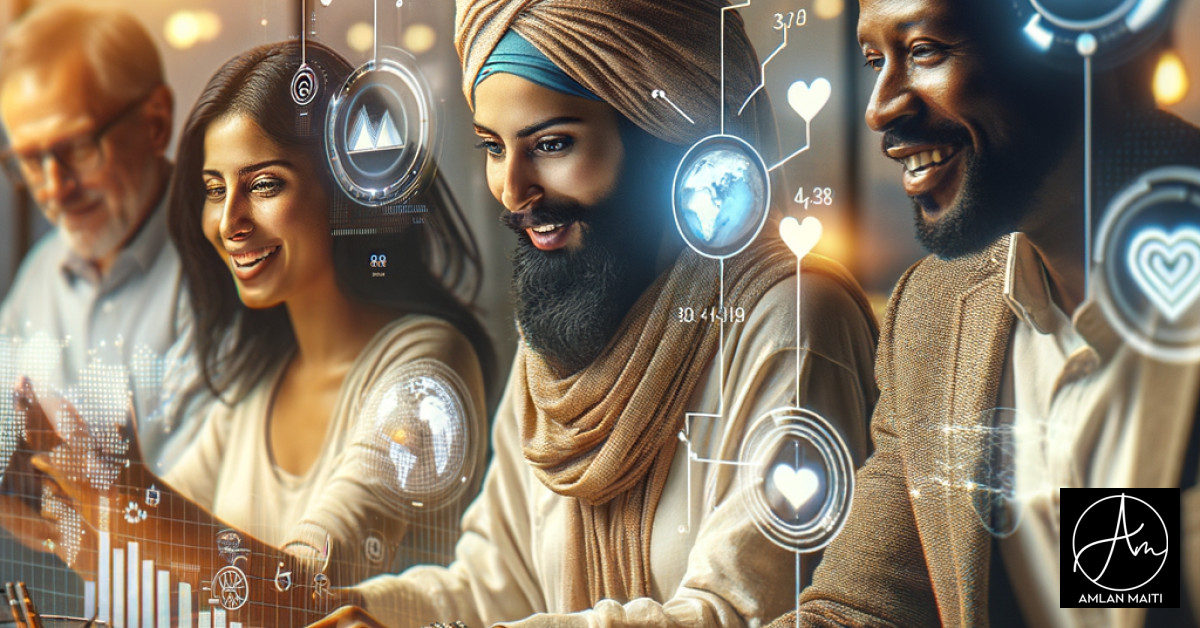
The world of marketing is undergoing a seismic shift with the advent of AI SEO Consultant technologies and the rise of virtual influencers. As digital landscapes evolve, brands are increasingly turning to AI-powered creators to engage audiences in novel ways. This transformation is not just a trend but a significant evolution in creator-marketing, offering both opportunities and challenges for businesses.
Understanding Virtual Influencers
Virtual influencers are computer-generated characters that operate on social media platforms, much like human influencers. They are crafted to perfection, offering a blend of fantasy and reality that captivates audiences. These digital personas, such as Lil Miquela and Shudu, are gaining traction due to their controlled and curated nature, which allows brands to maintain consistent messaging and engagement.
The Role of AI in Content Creation
AI-powered creators are revolutionizing content production by automating processes that were once time-consuming and labor-intensive. AI tools like ChatGPT and Google Gemini enable rapid content generation and personalization, allowing brands to scale their marketing efforts efficiently. This technology facilitates the creation of tailored content that resonates with specific audience segments, enhancing engagement and conversion rates.
Integration with Metaverse Platforms
As the digital world expands, virtual influencers and AI creators are becoming integral to metaverse platforms like Roblox and Decentraland. These platforms offer immersive brand experiences, allowing users to interact with digital personas in a virtual environment. This integration not only enhances brand visibility but also provides unique opportunities for consumer engagement.
Supporting Statistics
- According to a 2023 report by Influencer Marketing Hub, virtual influencers boast three times the engagement rate of human influencers, underscoring their effectiveness in brand campaigns.
- Gartner predicts that by 2025, 30% of influencer marketing budgets will be allocated to virtual influencers and AI-powered creators, highlighting their growing importance in digital strategies.
Challenges in Virtual Influencer Marketing
Despite their advantages, virtual influencers present challenges, particularly concerning authenticity. As these influencers are not real people, there is skepticism about their relatability and the genuine nature of their endorsements. This can impact consumer trust and brand credibility, necessitating careful strategy and transparent communication.
FAQs
What are virtual influencers?
Virtual influencers are AI-generated characters that operate on social media platforms, engaging audiences with their curated personas. They offer brands the ability to maintain consistent messaging and control over their digital presence.
How do AI-powered creators benefit brands?
AI-powered creators streamline content production, allowing for rapid and personalized content generation. This enhances engagement and scalability, enabling brands to reach specific audience segments effectively.
What is the role of virtual influencers in the metaverse?
In the metaverse, virtual influencers provide immersive brand experiences, engaging users in digital spaces like Roblox and Decentraland. This integration enhances brand visibility and offers unique consumer interaction opportunities.
What are the challenges of using virtual influencers?
The primary challenge is maintaining authenticity and trust, as virtual influencers are not real people. Brands must navigate skepticism regarding their endorsements and ensure transparent communication to uphold credibility.
Why are virtual influencers gaining popularity?
Virtual influencers are gaining popularity due to their ability to be perfectly curated and controlled. They offer a unique blend of fantasy and reality, attracting diverse audiences and providing brands with consistent messaging opportunities.
Conclusion
The evolution of creator-marketing through virtual influencers and AI-powered creators is reshaping the digital marketing landscape. While offering unprecedented opportunities for engagement and scalability, it also presents challenges in authenticity and trust. As brands navigate this new terrain, strategic integration of AI technologies and transparent communication will be key to success.
Blog Development Credits
This blog post was developed with insights from Amlan Maiti, an expert in AI-powered digital marketing, and optimized by Digital Piloto. Research was conducted using AI tools like ChatGPT and Google Gemini to ensure comprehensive and up-to-date content.
Related Articles

31 March 2026
Mastering GEO Content Architecture: A Comprehensive Guide
In the evolving landscape of digital marketing, GEO content architecture has emerged as a pivotal strategy for businesses aiming to…
11 March 2026
Unlocking the Future: Intro to LLM SEO for Modern Marketers
In the rapidly evolving world of digital marketing, staying ahead of the curve is essential. One of the most transformative…
10 March 2026
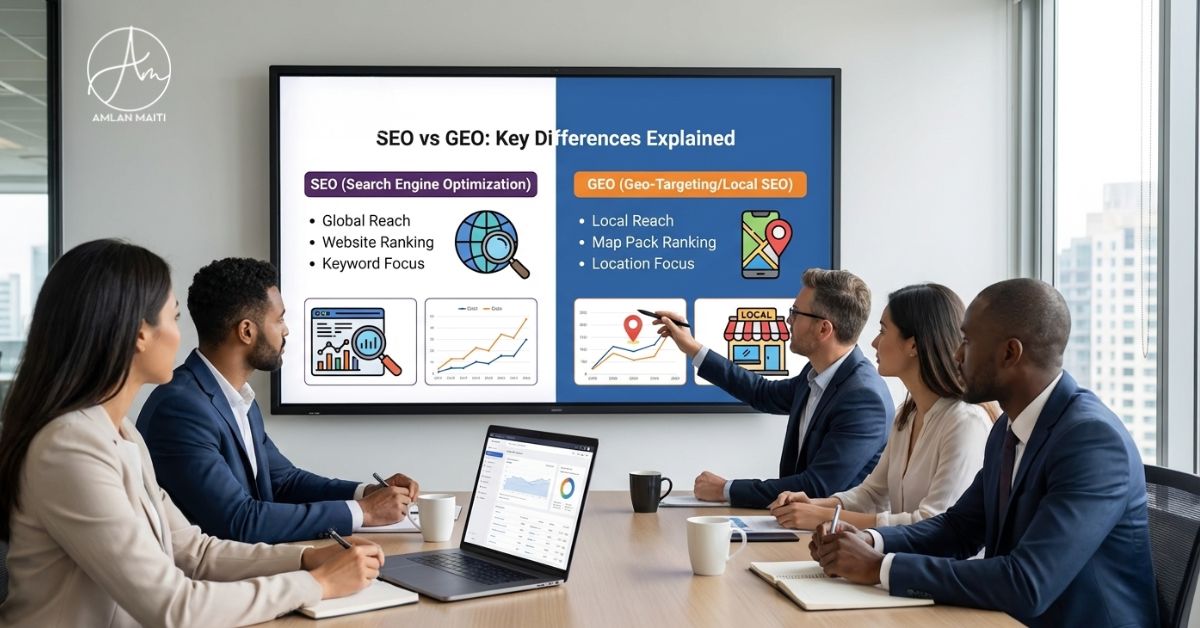
SEO vs GEO: Key Differences Explained
In the evolving landscape of digital marketing, understanding the nuances between AI SEO and GEO strategies is crucial for businesses…

Get In Touch
Initiate your digital marketing journey by filling out this form.