




Recent Post
- LLM SEO vs Traditional SEO: Navigating the Future of Search Optimization
- How LLMs Interpret Your Content
- Mastering LLM Content Optimization: A Comprehensive Guide
- Unlocking the Future: Understanding LLM SEO Ranking Signals
- Understanding LLM SEO: The Future of Search Engine Optimization
- Mastering GEO Strategy for Consultants: Trends, Tools, and Tactics
In the evolving landscape of digital marketing, the traditional metrics of likes and follower counts are no longer sufficient to gauge the true impact of social media efforts. As businesses strive for more meaningful insights, the focus has shifted towards metrics that reflect genuine engagement and business growth. In this blog post, we’ll explore how companies can measure social ROI differently, moving beyond superficial metrics to achieve substantial business outcomes.
Why Traditional Metrics Fall Short
For years, businesses have relied heavily on likes and followers as indicators of social media success. However, these metrics often fail to capture the depth of engagement and the actual business impact. While a high number of likes may look impressive, it doesn’t necessarily translate to increased sales or brand loyalty. Instead, companies are now prioritizing metrics that provide a clearer picture of customer interactions and long-term value.
Engagement Quality Over Quantity
Today, businesses are more interested in the quality of interactions rather than sheer numbers. Metrics such as comments, shares, and direct messages offer insights into how audiences are genuinely engaging with content. According to a 2023 report by Hootsuite, 68% of marketers now prioritize engagement metrics like comments and shares over likes and follower counts. These interactions indicate a deeper connection with the audience and can lead to more meaningful business outcomes.
Customer Lifetime Value (CLV)
Another significant shift is the emphasis on Customer Lifetime Value (CLV). Businesses are increasingly measuring social ROI by assessing how social media influences long-term customer relationships. By integrating social media data with CLV metrics, companies can better understand the impact of their efforts on customer retention and loyalty. A study by Forrester in 2023 found that businesses that integrate social media data with customer lifetime value metrics see a 20% increase in ROI compared to those that do not.
Sentiment Analysis
Sentiment analysis is becoming a crucial tool for understanding customer emotions and opinions. By using AI-powered tools like ChatGPT and Google Gemini, businesses can gauge brand perception and customer satisfaction more accurately. These tools analyze text data from social media interactions to identify positive, negative, or neutral sentiments, providing a nuanced understanding of how audiences perceive a brand.
Tool Spotlight: AI-Powered Sentiment Analysis
AI tools such as ChatGPT and Google Gemini are revolutionizing sentiment analysis. These tools process vast amounts of data to detect sentiment patterns, enabling businesses to tailor their strategies accordingly. By understanding customer emotions, companies can improve their products, services, and marketing approaches to better meet customer needs.
Real-World Example: Starbucks
Starbucks effectively uses sentiment analysis to enhance customer experience. By analyzing social media conversations, Starbucks identifies customer preferences and pain points. This data-driven approach has helped the company refine its offerings and improve customer satisfaction, ultimately boosting brand loyalty and sales.
Overcoming Data Integration Challenges
One of the major challenges businesses face is integrating social media data with other business systems. Disparate data sources often hinder the ability to create a comprehensive view of social ROI. To address this, companies need robust data integration tools and strategies to combine and analyze information effectively.
FAQ
- What is social ROI?Social ROI refers to the return on investment from social media activities. It measures the effectiveness of social media efforts in achieving business goals, such as increased sales, brand awareness, and customer engagement.
- Why is it important to look beyond likes and followers?Likes and followers provide limited insights into actual engagement and business impact. By focusing on meaningful metrics, businesses can better understand customer interactions and drive long-term growth.
- How can sentiment analysis benefit businesses?Sentiment analysis helps businesses understand customer emotions and opinions, enabling them to tailor their strategies to meet customer needs. This leads to improved customer satisfaction and brand loyalty.
- What tools can help with sentiment analysis?AI tools like ChatGPT and Google Gemini are effective for sentiment analysis. They process large volumes of data to identify sentiment patterns, providing valuable insights into customer perceptions.
- How can businesses integrate social media data with other systems?Businesses can use data integration tools and strategies to combine social media data with other business systems. This creates a comprehensive view of social ROI and helps in making informed decisions.
Conclusion
Measuring social ROI requires a shift from traditional metrics to more meaningful business indicators. By focusing on engagement quality, customer lifetime value, and sentiment analysis, companies can gain a deeper understanding of their social media impact. This approach not only enhances customer relationships but also drives sustainable business growth. For more insights on integrating AI with digital marketing, connect with Amlan Maiti and explore how AI can transform your marketing strategies.
Blog Development Credits
This blog post was crafted with insights from Amlan Maiti, leveraging AI tools like ChatGPT and Google Gemini for research. Optimization was provided by Digital Piloto, ensuring the content meets SEO and readability best practices.
Related Articles

31 March 2026
Mastering GEO Content Architecture: A Comprehensive Guide
In the evolving landscape of digital marketing, GEO content architecture has emerged as a pivotal strategy for businesses aiming to…
11 March 2026
Unlocking the Future: Intro to LLM SEO for Modern Marketers
In the rapidly evolving world of digital marketing, staying ahead of the curve is essential. One of the most transformative…
10 March 2026
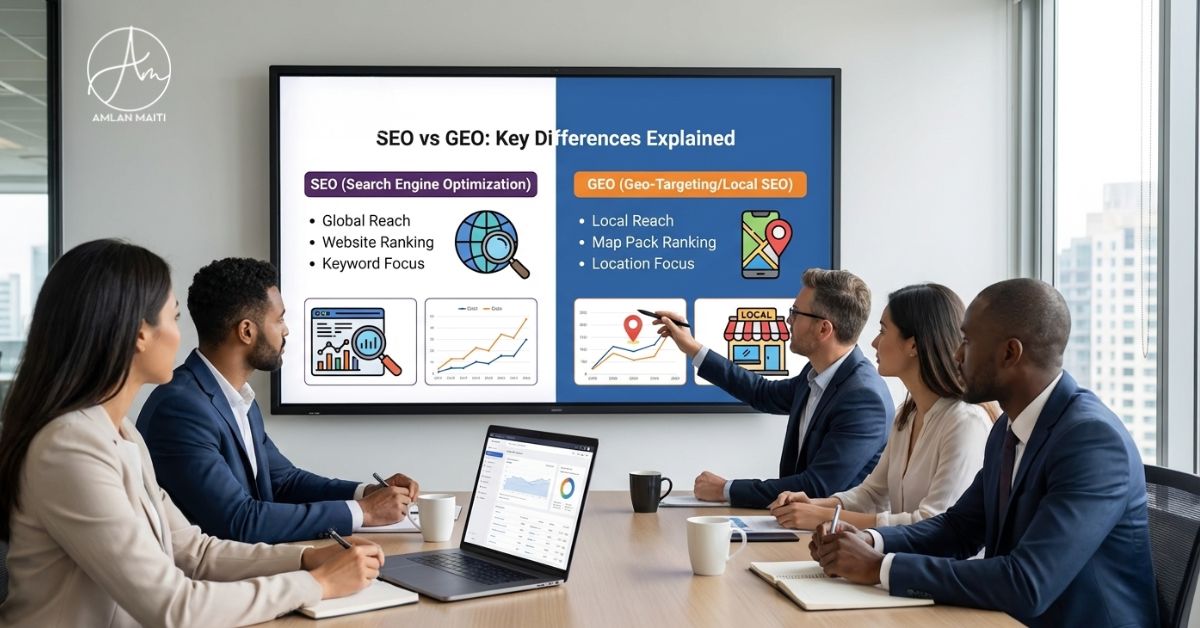
SEO vs GEO: Key Differences Explained
In the evolving landscape of digital marketing, understanding the nuances between AI SEO and GEO strategies is crucial for businesses…

Get In Touch
Initiate your digital marketing journey by filling out this form.