



Recent Post
- Unlocking the Future: Intro to LLM SEO for Modern Marketers
- SEO vs GEO: Key Differences Explained
- Unlocking the Future: What Is Generative Engine Optimization?
- Over-Automation: When You Lose the Human Touch in Marketing
- Your Content Might Be AI-Compatible, But Is It AI-Trusted?
- Data Privacy Failures in Marketing: Lessons from Recent Cases
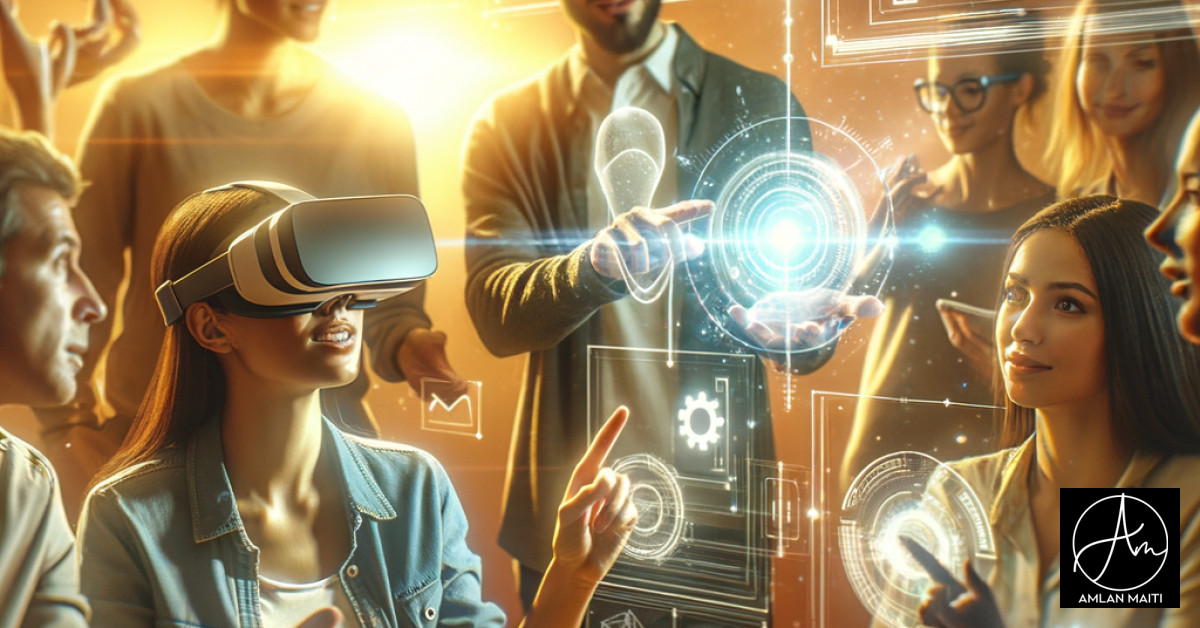
The digital marketing landscape is evolving rapidly, with AI SEO Experts leading the charge in integrating cutting-edge technologies like Virtual Reality (VR), Augmented Reality (AR), and the metaverse. These innovations promise to revolutionize how brands engage with their audiences, offering immersive and personalized experiences that were once unimaginable.
Understanding the Role of VR and AR in Digital Marketing
VR and AR are no longer just futuristic concepts; they are transforming the way brands interact with consumers. By creating immersive brand experiences, companies can engage customers in a virtual space, enhancing brand recall and loyalty. For instance, AR allows consumers to visualize products in their environment before purchase, significantly reducing return rates.
Tool Spotlight: Google Lens
Google Lens is an excellent example of AR in action. This tool allows users to search for information about objects they see in the real world. Brands can leverage this technology to provide instant product details, reviews, and purchase options, enhancing the shopping experience.
The Metaverse: A New Frontier for Personalized Marketing
The metaverse offers a unique platform for personalized marketing. By harnessing data-driven insights, brands can tailor experiences to individual preferences, creating highly targeted campaigns. This level of personalization is set to redefine customer engagement, making interactions more meaningful and effective.
Real-World Example: Nike’s Virtual Store
Nike has successfully ventured into the metaverse by launching a virtual store where users can customize and try on products in a digital environment. This initiative has not only boosted customer engagement but also increased online sales, showcasing the potential of virtual commerce.
Challenges in Integrating VR, AR, and the Metaverse
Despite the promising potential, integrating these technologies into existing marketing strategies presents challenges. The primary issue is ensuring accessibility, as not all consumers have the necessary hardware or internet bandwidth to enjoy these experiences. Brands must focus on creating inclusive solutions that cater to a broad audience.
Tool Spotlight: ChatGPT
ChatGPT can assist marketers in designing VR and AR experiences by generating creative content ideas and strategies. This AI tool helps streamline the content creation process, ensuring that marketing campaigns are both innovative and effective.
FAQs
- What is the metaverse, and how does it affect digital marketing?The metaverse is a virtual world where users can interact with digital environments and each other. It affects digital marketing by offering new avenues for personalized and immersive brand experiences.
- How can small businesses leverage VR and AR?Small businesses can use VR and AR to create engaging product demonstrations and virtual tours. These technologies can enhance customer experiences and increase brand visibility without significant investment.
- What are the benefits of using VR and AR in marketing?VR and AR offer benefits like enhanced customer engagement, improved product visualization, and reduced return rates. They allow brands to create memorable experiences that resonate with consumers.
- Are there any limitations to using VR and AR in marketing?Yes, the primary limitations include the cost of development and the need for specialized hardware. Additionally, ensuring accessibility for all consumers remains a challenge.
- How does AI complement VR and AR in digital marketing?AI complements VR and AR by providing data-driven insights that enhance personalization. It helps in creating targeted campaigns and optimizing user experiences in virtual environments.
Conclusion
As the digital marketing landscape continues to evolve, VR, AR, and the metaverse are set to play pivotal roles. These technologies offer unprecedented opportunities for brands to engage with consumers in innovative ways, creating immersive and personalized experiences. By addressing integration challenges and leveraging AI tools, marketers can unlock the full potential of these technologies, shaping the future of digital marketing.
Blog Development Credits
This blog post was developed by Amlan Maiti, an AI-Powered Digital Marketing & SEO Consultant, with research assistance from AI tools like ChatGPT and Google Gemini. Optimization was provided by Digital Piloto, ensuring the content aligns with current SEO best practices.
Related Articles

08 February 2026
Over-Automation: When You Lose the Human Touch in Marketing
In the rapidly evolving world of digital marketing, the integration of AI and automation has become a double-edged sword. While…

07 February 2026
Your Content Might Be AI-Compatible, But Is It AI-Trusted?
In the rapidly evolving digital landscape, businesses are increasingly relying on AI to enhance content creation. While AI can significantly…

06 February 2026
Data Privacy Failures in Marketing: Lessons from Recent Cases
In today’s digital age, the intersection of data privacy and marketing has become a critical concern for businesses worldwide. As…

Get In Touch
Initiate your digital marketing journey by filling out this form.